
There's a moment in every hair loss researcher's journey where they encounter the wound healing hypothesis for follicle neogenesis and do a double-take. The observation is simple: when skin is wounded deeply enough, past the epidermis into the upper dermis, follicles sometimes form at the wound site during healing. This follicle neogenesis was well-documented in the 1950s and then largely ignored for half a century because it seemed practically useless. Wound the whole scalp to grow a few unpredictable follicles? Not a treatment.

What changed the calculus was a convergence of two pieces of science. First, a 2007 Nature paper by Ito, Haro and colleagues at Rockefeller showed that hair follicle stem cells migrating from the wound edge actively contribute to wound-induced follicle formation, the wound doesn't create follicles from scratch, it activates stem cells to generate them. Second, work by George Cotsarelis at Penn showed that Wnt pathway activation at wound sites dramatically increases the number of de novo follicles formed. Wound + Wnt signal = significantly more follicle neogenesis than wound alone.
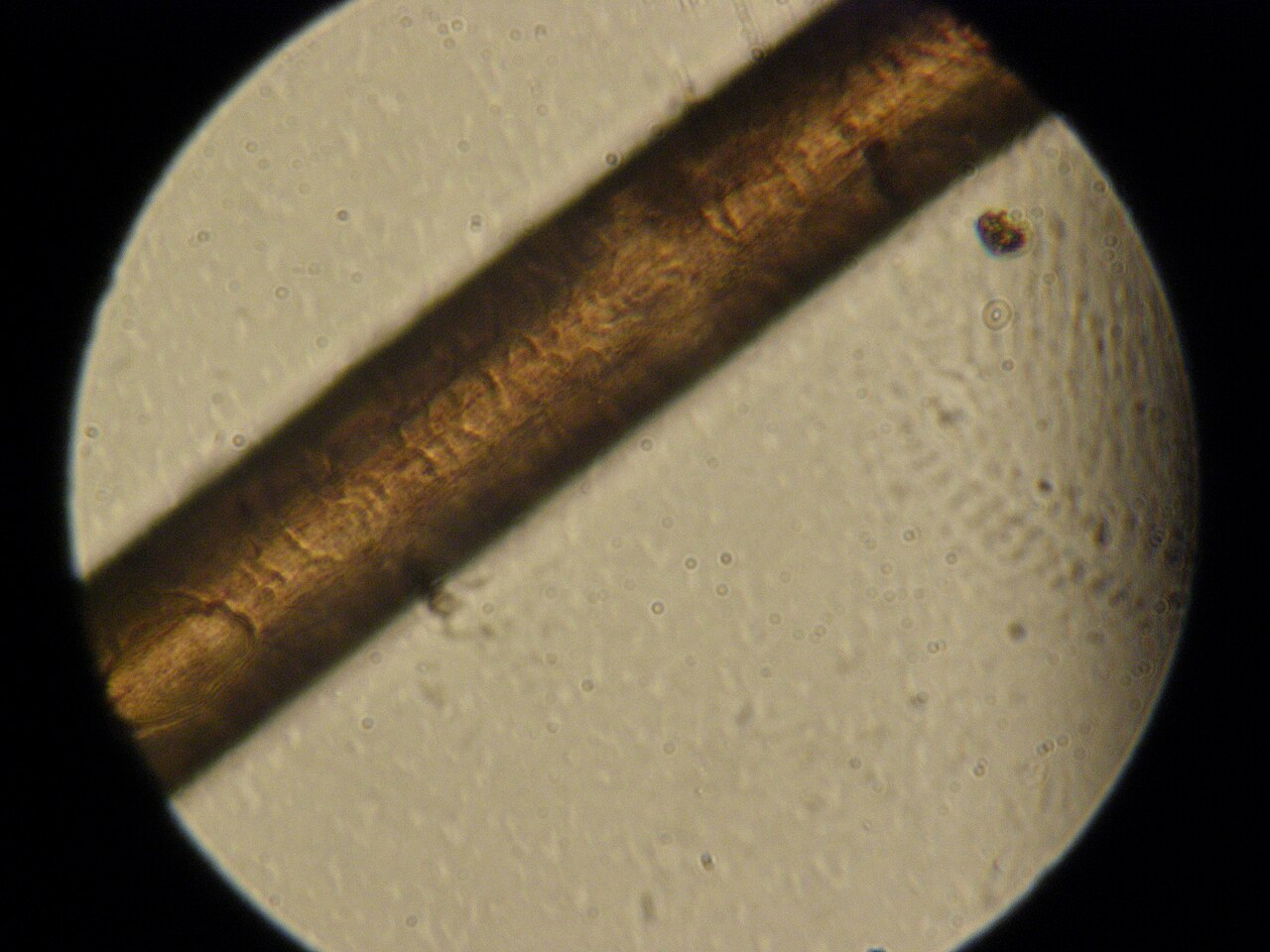
Follica, a PureTech Health company, has been building a device-drug combination treatment around exactly this biology since 2007. Their approach: controlled scalp micro-wounding using a proprietary device (essentially a roller with tiny needles that penetrate to a precise depth), followed by application of a Wnt pathway-activating topical, originally minoxidil, which has some Wnt-related activity, combined with a potassium channel opener designed to enhance the signal. The device creates the biological permissive state; the drug amplifies the follicle neogenesis response.
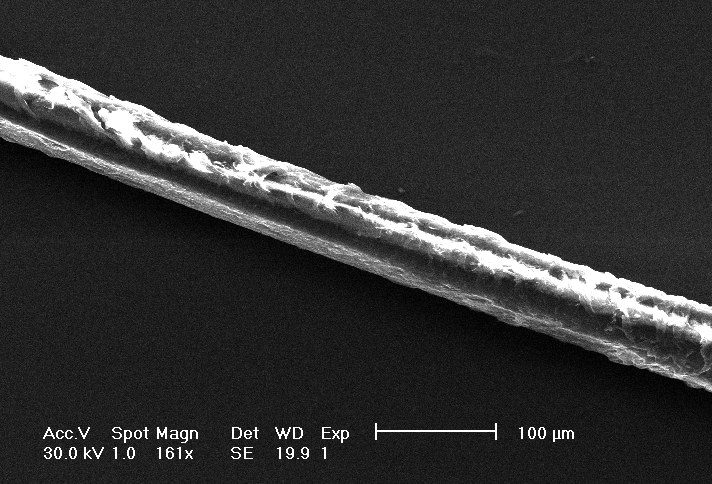
The Phase 2 data, published in 2021, showed statistically significant increases in total hair count versus sham device plus vehicle, a respectable 10.2 additional hairs per cm² in the primary treated zone over 24 weeks. What was notable was where the growth came from: analysis of the follicle density data suggested a meaningful proportion of new follicles at treated sites were de novo, genuinely new follicles, not regrowth of miniaturised existing ones. If reproducible, this matters enormously because it means the biological ceiling of the treatment isn't limited by the number of existing follicles you started with.
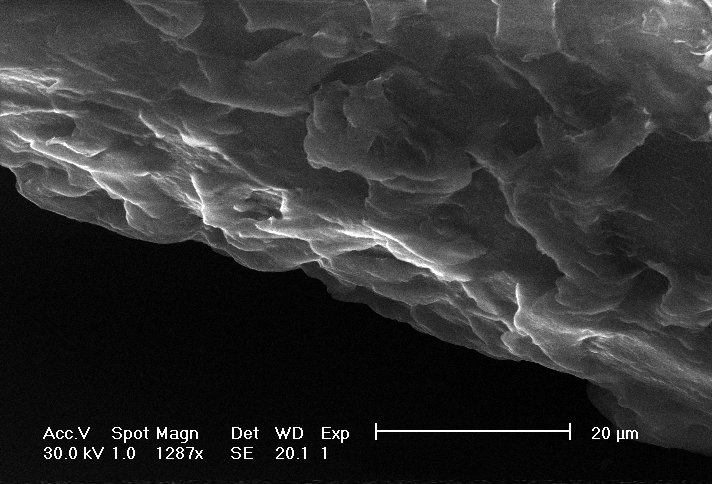
Follica submitted its 510(k) application to the FDA in Q3 2025 for the device component of the system, with the topical drug component handled separately under an NDA. The device-drug combination pathway is technically complex from a regulatory standpoint, it's not a drug and not a device but a combination product. The FDA cleared the regulatory classification question in 2024, paving the way for the submission. If cleared, this would be the first follicle neogenesis-based treatment to reach commercial availability anywhere in the world.
I've been tracking Follica for several years and the honest assessment is that this approach works, modestly, reproducibly, and the mechanism is real. The unknown is whether the effect size in a commercially available product matches what motivated research participants in carefully controlled trials produce. Home use of a precision micro-needling device for hair will also need to be standardised in a way that research protocols can control but consumer use cannot. That last-mile gap between clinical efficacy and real-world effectiveness is the challenge every device-based treatment faces.
Discussion (2)
Rachel K.
about 2 months ago
This is the treatment I'm most excited about precisely because it creates new follicles rather than just preserving existing ones. That changes the theoretical maximum of what's achievable.
Marcus T.
about 2 months ago
The home-use standardisation issue is real. I can't imagine reliably using a precision micro-needling device on my own scalp consistently enough to match clinical results.
Join the discussion
Free account. Read, like, save, and comment on every article.