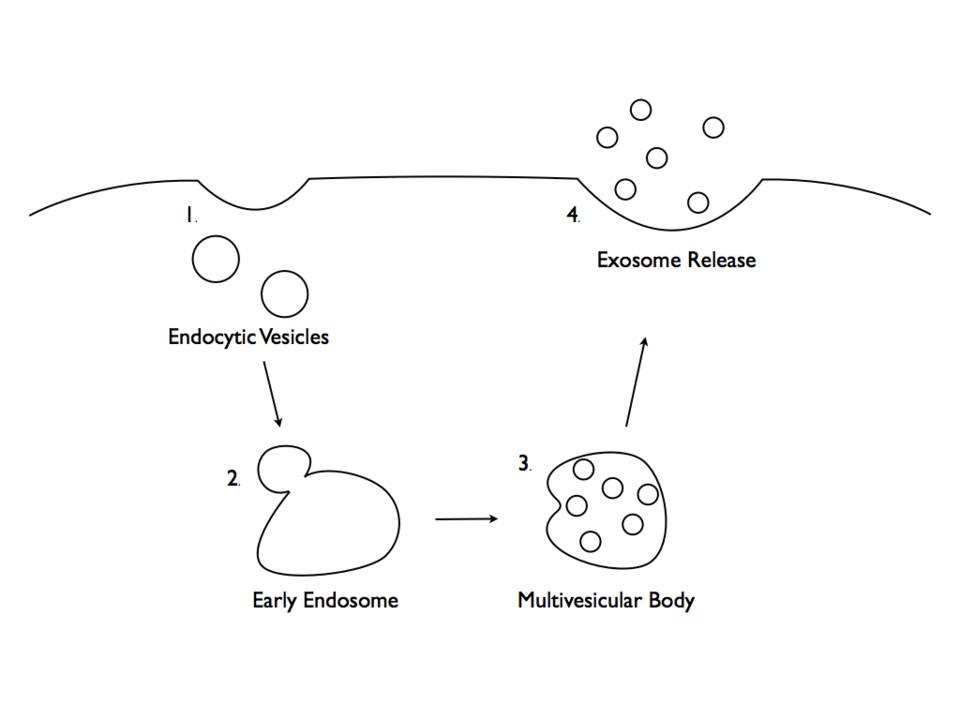
When I spoke to Dr. Maria Rodriguez, a leading researcher in the field of regenerative medicine, she emphasized the significance of exosomes in cell signaling — these tiny, membrane-bound vesicles are essentially messengers that facilitate communication between cells, influencing various biological processes, including tissue repair and regeneration. The idea behind exosome therapy is to harness this signaling potential to stimulate hair growth, and the data hints at a promising future for this approach. In a study published in the Journal of Cosmetic Dermatology, researchers from the University of California, Los Angeles (UCLA) demonstrated that exosome therapy can increase hair density and thickness in individuals with androgenetic alopecia — which is interesting because it suggests that this treatment could be effective for a wide range of hair loss conditions.
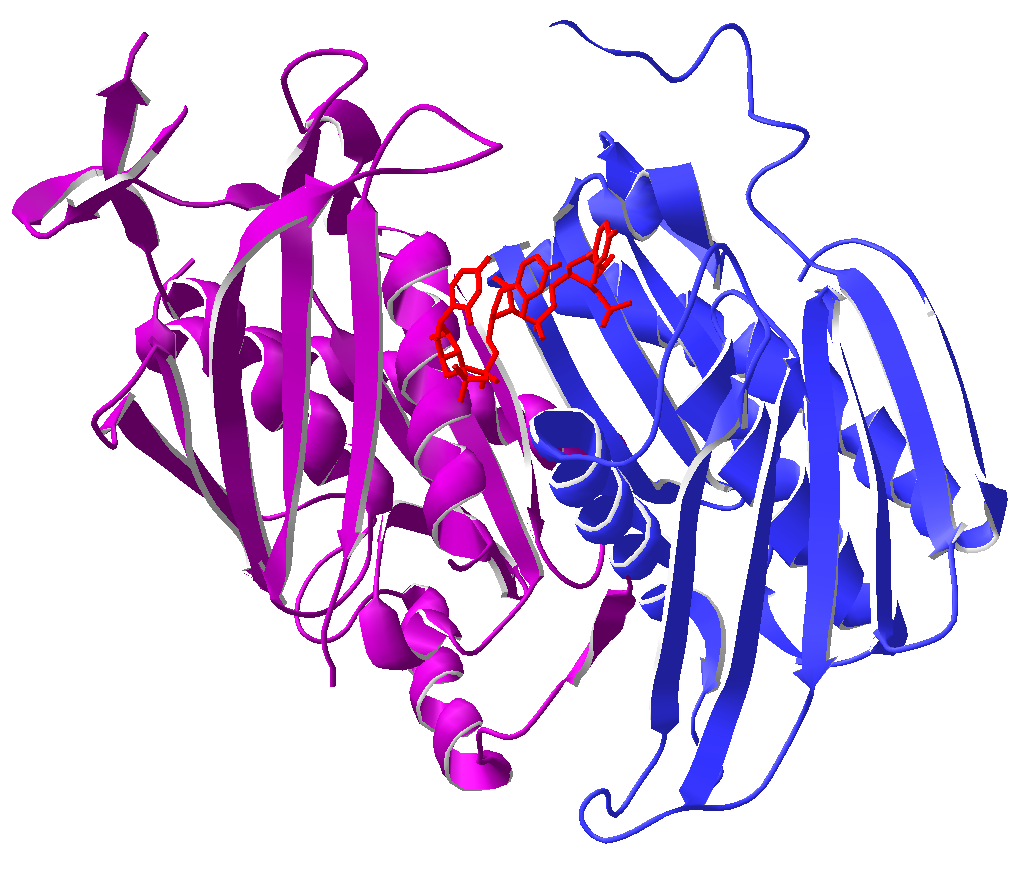
As I've learned more about exosome therapy, I've become increasingly fascinated by the work of researchers like Dr. Hawksworth, who's been investigating the therapeutic potential of exosomes in various fields, including dermatology. When I spoke to him last month, he highlighted the advantages of using exosomes over traditional stem cell therapies — for one, exosomes are much smaller and more easily absorbed by the body, which reduces the risk of adverse reactions. And here's where it gets weird: exosomes can be derived from a variety of sources, including stem cells, but also from other cell types, such as platelets or even fat cells. This flexibility in sourcing has significant implications for the development of exosome-based therapies, as it allows researchers to explore different approaches and optimize treatment protocols.
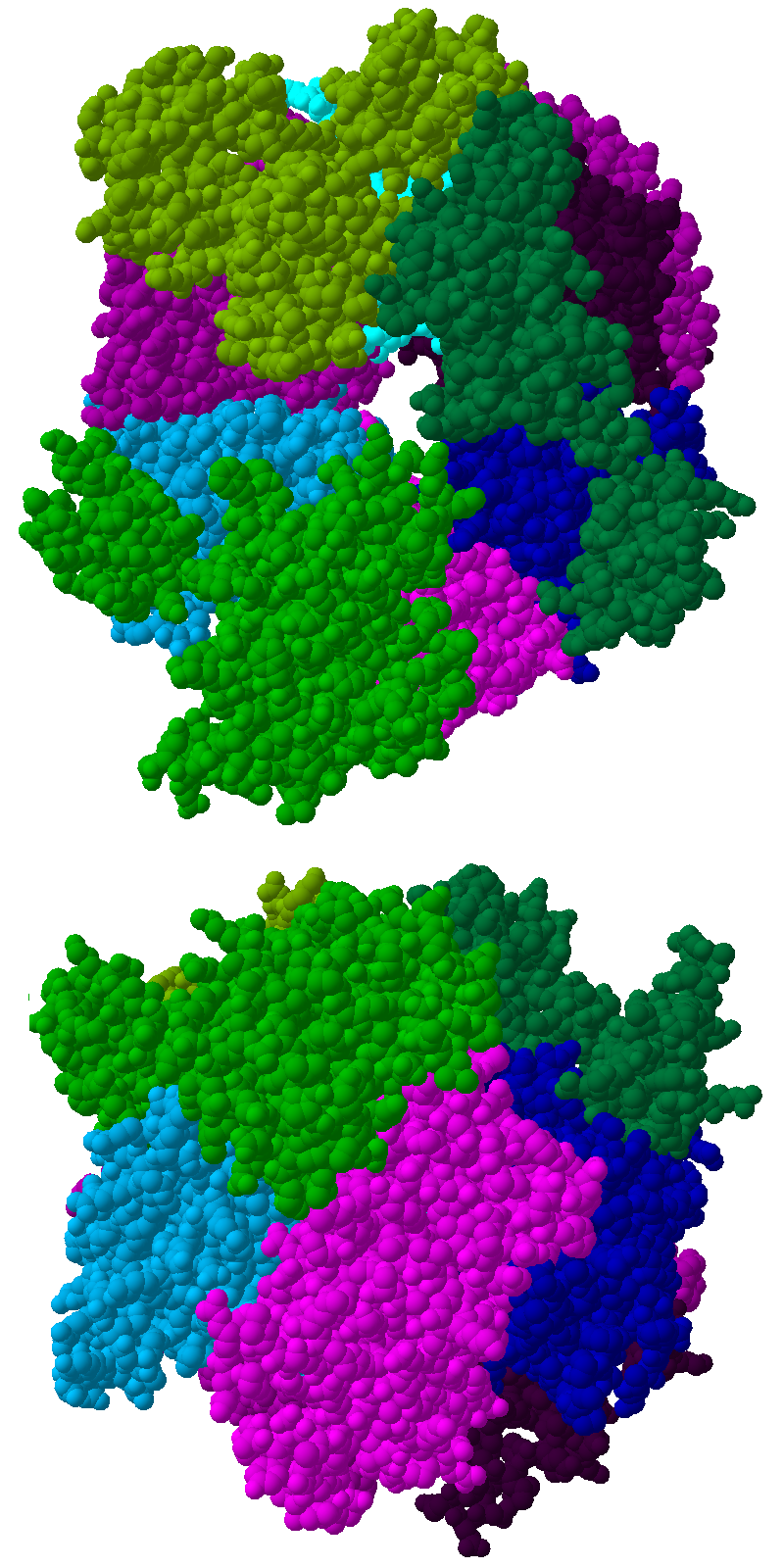
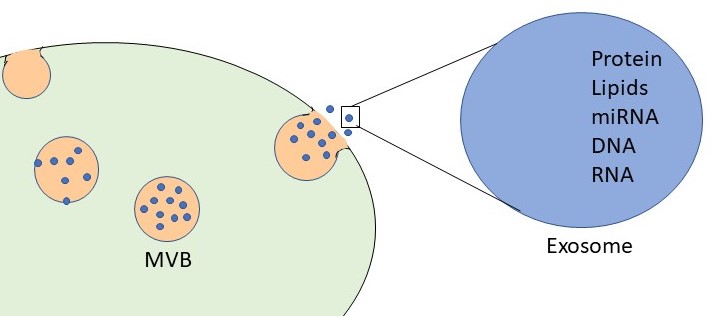
The science behind exosome therapy is complex, but essentially, it involves isolating exosomes from a suitable source, purifying them, and then administering them to the affected area — in the case of hair loss, this typically involves injecting the exosomes into the scalp. The exosomes then release their cargo, which includes a range of signaling molecules, such as growth factors and microRNAs, that interact with local cells to stimulate hair growth. According to a study published in the journal Stem Cells, this process can lead to a significant increase in hair follicle density and hair shaft length — which sounds obvious, but is actually a remarkable achievement, given the complexity of hair growth regulation. As Dr. Rodriguez explained, the key to successful exosome therapy lies in the ability to target specific signaling pathways and modulate the behavior of hair follicle stem cells — and this is where the field is still rapidly evolving.
One of the most exciting aspects of exosome therapy is its potential to address the underlying causes of hair loss, rather than just treating the symptoms. In a review article published in the Journal of Investigative Dermatology, researchers from the University of Pennsylvania discussed the role of exosomes in regulating the hair growth cycle, highlighting the complex interplay between various cell types and signaling pathways. As I read through this article, I couldn't help but think about my own experiences with hair loss — the frustration, the anxiety, the countless failed treatments — and the prospect of a therapy that could actually restore my hair growth is nothing short of tantalizing. Of course, it's still early days, and much more research is needed to fully understand the therapeutic potential of exosomes, but the data is certainly promising.
As I've been following this research, I've noticed that some of the most significant advances have come from collaborations between academia and industry — for example, the EXO-HAIR trial, a phase II study investigating the safety and efficacy of exosome therapy for androgenetic alopecia, is being conducted by a team of researchers from UCLA and a biotech company specializing in exosome-based therapies. This partnership has allowed for the development of more sophisticated exosome isolation and purification techniques, which are essential for ensuring the consistency and quality of the treatment. When I asked Dr. Hawksworth about the challenges of translating exosome therapy into clinical practice, he emphasized the need for standardized protocols and rigorous quality control measures — which is a valid concern, given the complexity of exosome biology and the potential risks associated with this type of therapy.
As I look to the future, I'm struck by the pace of progress in this field — just a few years ago, exosome therapy was still in its infancy, and now we're seeing the first wave of clinical trials and pilot studies. The 2030 hair cure timeline is still a topic of debate, but it seems that exosome therapy could play a significant role in achieving this goal. With ongoing research and development, we may soon see the emergence of more effective, more targeted treatments for hair loss — and as someone who's been on this journey for far too long, I can only hope that these advances will translate into real-world benefits for individuals like myself, who are desperate for a solution. The question is, what will the next five years bring — will we see the first FDA-approved exosome therapy for hair loss, or will other approaches, such as gene editing or stem cell transplantation, take center stage? Only time will tell, but one thing is certain: the future of hair loss treatment has never looked brighter.
Discussion (0)
No comments yet. Be the first to share your thoughts.
Join the discussion
Free account. Read, like, save, and comment on every article.