Dutasteride vs Finasteride for Androgenetic Alopecia: When to Choose Each

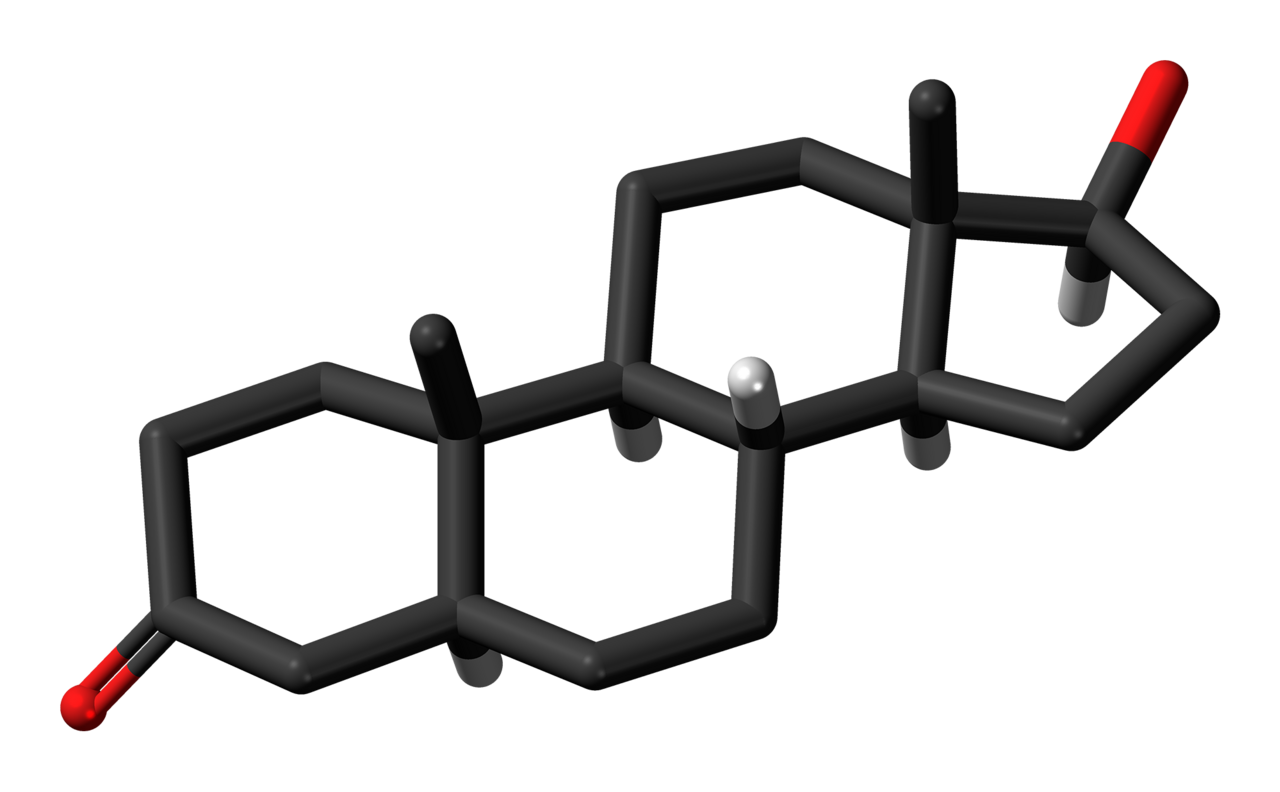
Both finasteride and dutasteride inhibit 5-alpha reductase, the enzyme that converts testosterone to DHT. Finasteride blocks only the type 2 isoform; dutasteride blocks both type 1 and type 2. The pharmacological difference is meaningful, dutasteride produces 90%+ serum DHT suppression compared to 65 to 70% for finasteride at standard doses, and the effect at the scalp follicle level is similarly more potent.
Clinical comparison studies have repeatedly demonstrated dutasteride's superior hair growth effect. A 2021 meta-analysis pooling head-to-head data showed dutasteride 0.5mg produced 20 to 30% greater hair count improvement than finasteride 1mg over 6 to 12 months. For patients seeking maximum medical regrowth, dutasteride is clearly more effective. The trade-off comes in side effect profile, sexual side effects and serum androgen suppression are both more pronounced with dutasteride.
Choosing between them requires honest weighing of efficacy versus side effect risk for each patient. For younger men with extensive family history who want maximum slowing of progression, dutasteride's efficacy advantage often justifies the risk. For older patients with established disease, finasteride may be adequate. For patients who experienced sexual side effects on finasteride, dutasteride is rarely a better option, it typically worsens such effects. Topical or mesotherapy formulations of dutasteride offer middle ground for patients seeking dutasteride's potency with reduced systemic exposure.
References & Clinical Data
- Dutasteride versus finasteride for male androgenetic alopecia: meta-analysis , Choi GS, et al. (Journal of Dermatology, 2021)
- Dutasteride 0.5mg long-term outcomes , Eun HC, et al. (Journal of the American Academy of Dermatology, 2010)
- Sexual side effects: dutasteride versus finasteride , Traish AM, et al. (Korean Journal of Urology, 2014)