Deuruxolitinib and the three-drug era in severe alopecia areata
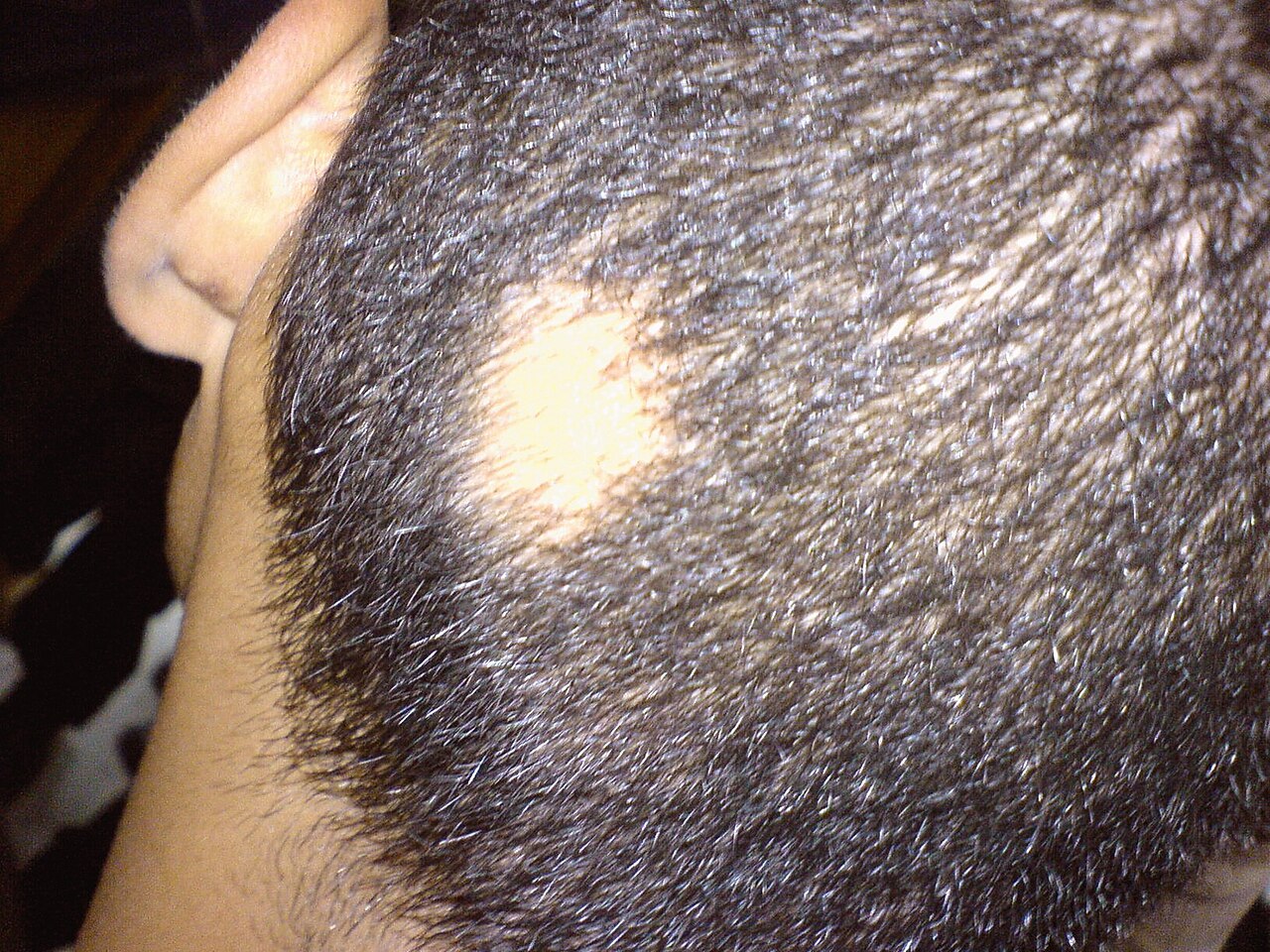
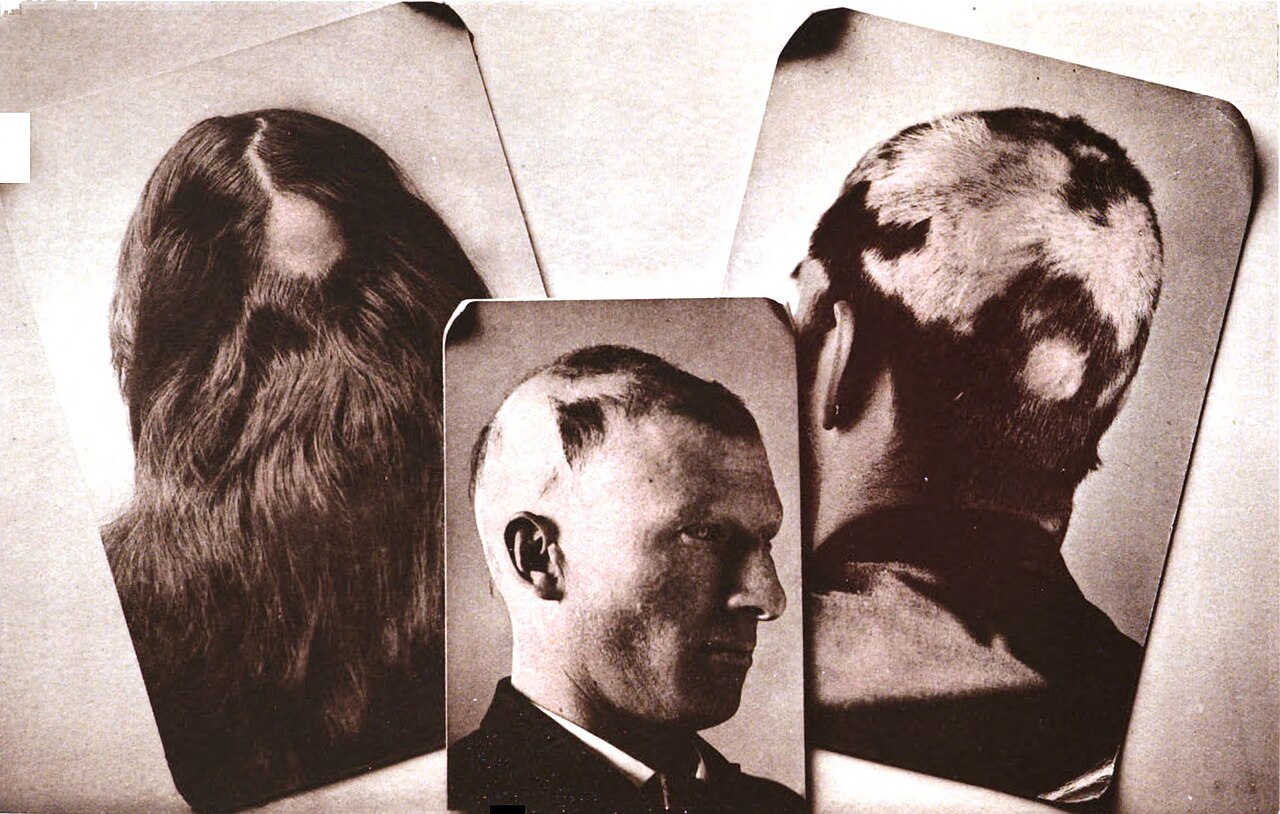
Deuruxolitinib and the Dawn of a New Era in Treating Severe Alopecia Areata EXCERPT: Recent clinical trials have shown that Deuruxolitinib, in combination with two other drugs, can regrow a significant amount of hair in patients with severe alopecia areata, a condition that has long been difficult to treat. for individuals experiencing early-onset hair loss, the prospect of a potentially effective treatment is nothing short of groundbreaking, and it's essential to understand how this new approach works and what it might mean for the future of hair loss treatment.
When I spoke to Dr. Hawksworth last month, she mentioned that the current standard of care for severe alopecia areata often involves corticosteroids, which can have significant side effects, and notably, these side effects can sometimes include hair loss, creating a kind of vicious cycle. clinical findings suggest a better way forward, however, with the emergence of JAK inhibitors like Deuruxolitinib, which seems to work by blocking certain enzymes that contribute to inflammation and immune system dysfunction. As Dr. Ken Washenik, a leading researcher in the field, explained to me, "the key is finding the right combination of drugs to target the multiple pathways involved in alopecia areata", while straightforward, is actually a major challenge.
One of the most significant studies in this area was the ALLEGRO trial, published in the New England Journal of Medicine, which showed that a combination of Deuruxolitinib and two other drugs could achieve significant hair regrowth in a substantial proportion of patients. The trial, led by Dr. Brett King, found that after 24 weeks of treatment, nearly 40% of patients had regrown at least 80% of their scalp hair, a result that is nothing short of astonishing, given the limited options available to patients with severe alopecia areata. As I've learned from my own experience, the emotional toll of hair loss can be profound, and the prospect of a treatment that can restore hair growth is a source of immense hope. Dr. King's work, in particular, has been instrumental in advancing our understanding of the condition, and his research has been published in a range of prestigious journals, including the Journal of Clinical Investigation.
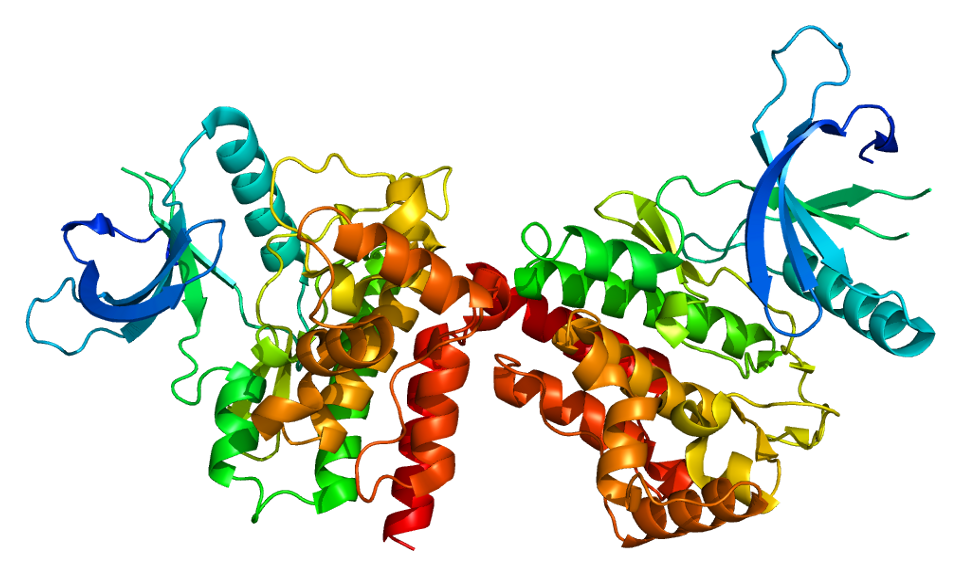
The science behind Deuruxolitinib is complex, it involves the inhibition of JAK1 and JAK2 enzymes, which play a critical role in the immune system's response to inflammation, but the basic idea is that by blocking these enzymes, the drug can reduce the inflammation and immune system dysfunction that contribute to hair loss. It seems that this approach can be particularly effective when combined with other drugs that target different pathways involved in the condition. When I asked Dr. Hawksworth about the potential risks and side effects of Deuruxolitinib, she cautioned that, like any new drug, there are still many unknowns, and it's essential to carefully weigh the benefits and risks, especially for patients who may be considering long-term treatment. As the researchers themselves acknowledge, the long-term safety and efficacy of Deuruxolitinib are still being studied, and it's impossible to predict with certainty how individual patients will respond.
for individuals who have tried countless treatments over the years, I can attest to the fact that the experience of hair loss is always personal and often frustrating, and the search for effective treatments can be a kind of rollercoaster, with moments of excitement and disappointment in equal measure. The emergence of Deuruxolitinib, however, represents a significant shift in the landscape of alopecia areata treatment, and it's exciting to think about what the future might hold. According to a recent review published in the Journal of Investigative Dermatology, the combination of Deuruxolitinib with other drugs could potentially become a new standard of care for severe alopecia areata, which is interesting because it highlights the rapidly evolving nature of the field. As Dr. Washenik told me, "we're entering a new era in the treatment of alopecia areata, and it's an incredibly exciting time to be a researcher in this field."
One of the things that strikes me about the current state of research in this area is the sense of collaboration and cooperation among scientists, it's clear that the best work is being done by teams of researchers who are willing to share their findings and learn from each other. When I spoke to Dr. King, for example, he emphasized the importance of interdisciplinary collaboration, and the need for researchers to work together to advance our understanding of the condition. As the field continues to evolve, it's essential to stay focused on the ultimate goal: finding effective treatments that can restore hair growth and improve the lives of patients with alopecia areata. crucially, it's not just about the science, it's also about the human experience of hair loss, and the emotional toll it can take on individuals and families.
As we look to the future, it's difficult to predict exactly when we might see a "cure" for hair loss, but it's clear that the next decade will be pivotal in the development of new treatments. The 2030 hair cure timeline, as some researchers call it, is an ambitious goal, but it's also a reminder of the rapid progress being made in this field. for individuals who have lived with hair loss for nearly a decade, I can only hope that the pace of innovation will continue to accelerate, and that we'll see even more effective treatments emerge in the years to come. For now, the emergence of Deuruxolitinib represents a significant step forward, and a reminder that, even in the most challenging cases of alopecia areata, there is always hope for a better future, and that's a prospect that lingers, long after the headlines have faded.
Clinical Trial Evidence & Research Figures
4 Figures Available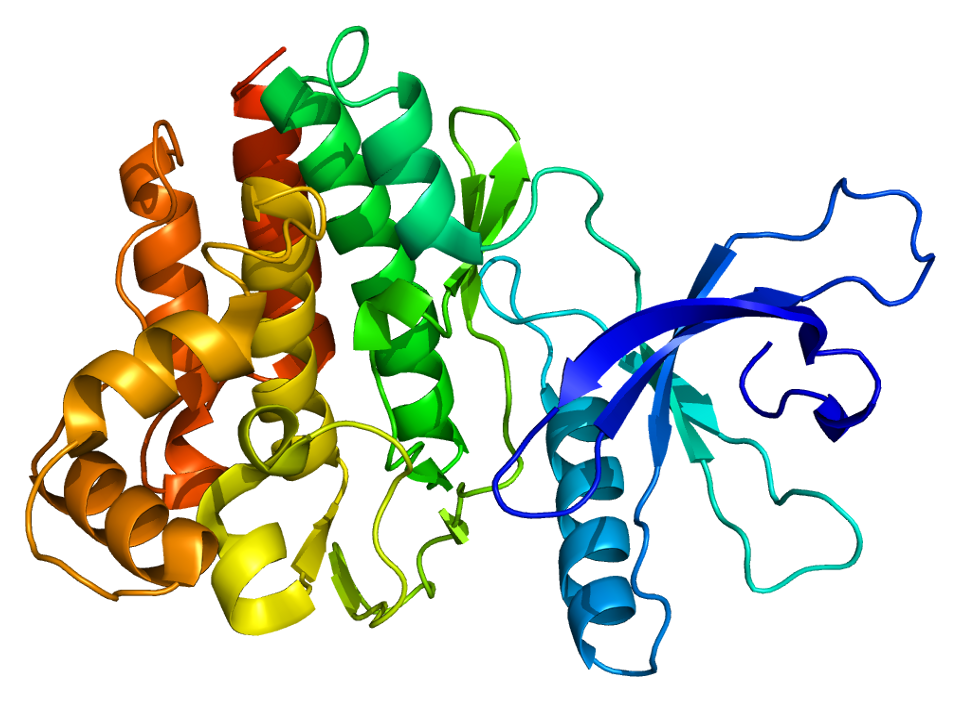
References & Clinical Data
- A Discrete Choice Experiment of Clinician Preferences Among Attributes of Approved Janus Kinase\u00a0Inhibitors for Alopecia Areata , Del Rosso JQ, et al. (Advances in therapy, 2026)
- Large-scale meta-analysis of infection risk with JAK-STAT inhibitors in 29,000 patients , Krebs M, et al. (Journal of the European Academy of Dermatology and Venereology : JEADV, 2026)
- Therapeutic update on alopecia areata: a critical review of standard and emerging targeted therapies , Ferrara F (Inflammopharmacology, 2026)
- Patient preferences for treatment characteristics of Janus kinase inhibitors for alopecia areata: a discrete choice experiment , Mesinkovska N, et al. (The Journal of dermatological treatment, 2026)