
The first clinical application of CRISPR gene editing to androgenetic alopecia was always going to be cautious. Gene editing in non-life-threatening conditions faces a higher safety bar than in cancer or rare genetic disease, where the risk calculus is different. When a Seoul-based biotech named GeneAble Therapeutics filed its IND with the Korean Ministry of Food and Drug Safety in late 2024 for a Phase 1 study of CRISPR-edited follicle cells in androgenetic alopecia, many in the field expected the trial to be the beginning of a very long process.
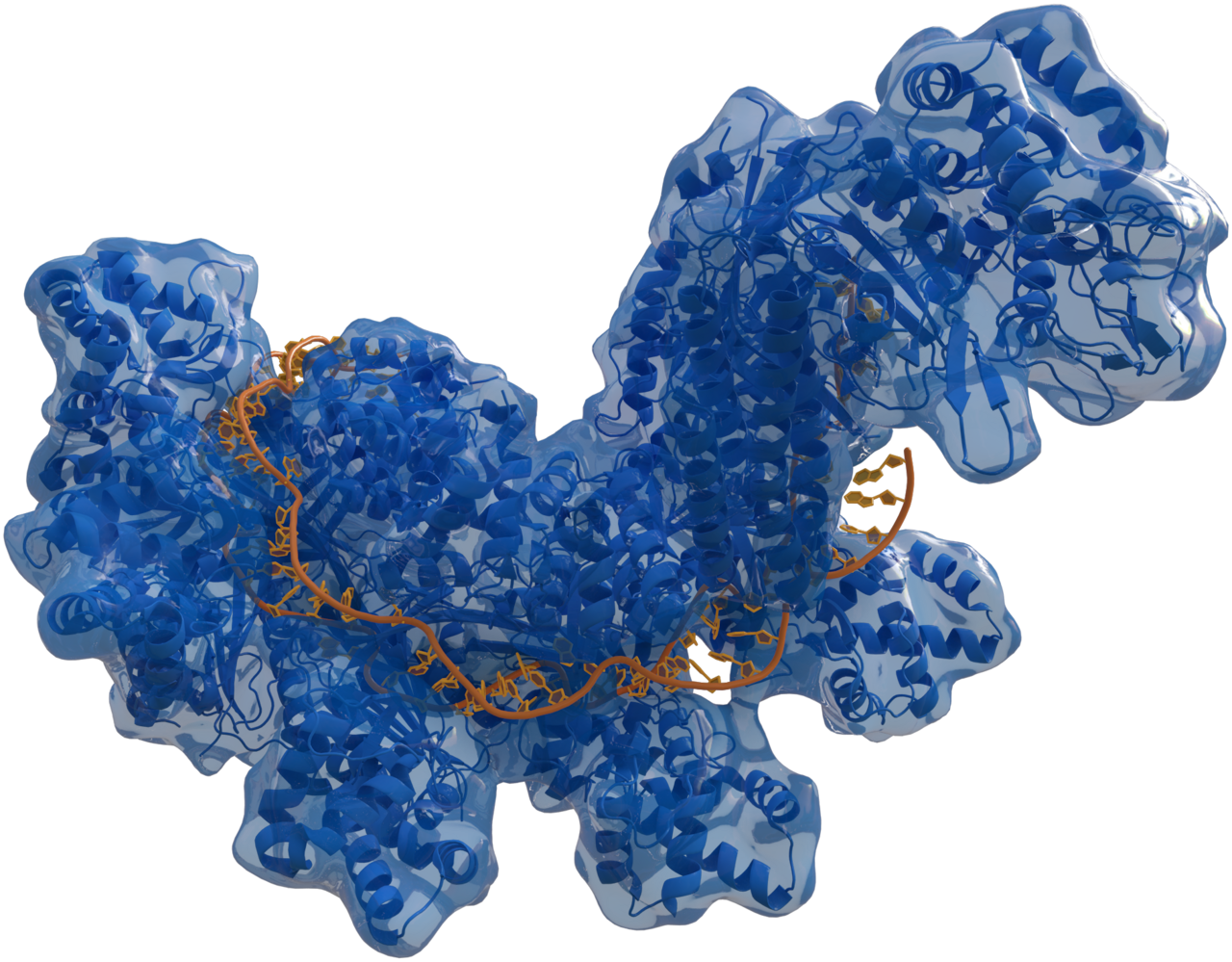
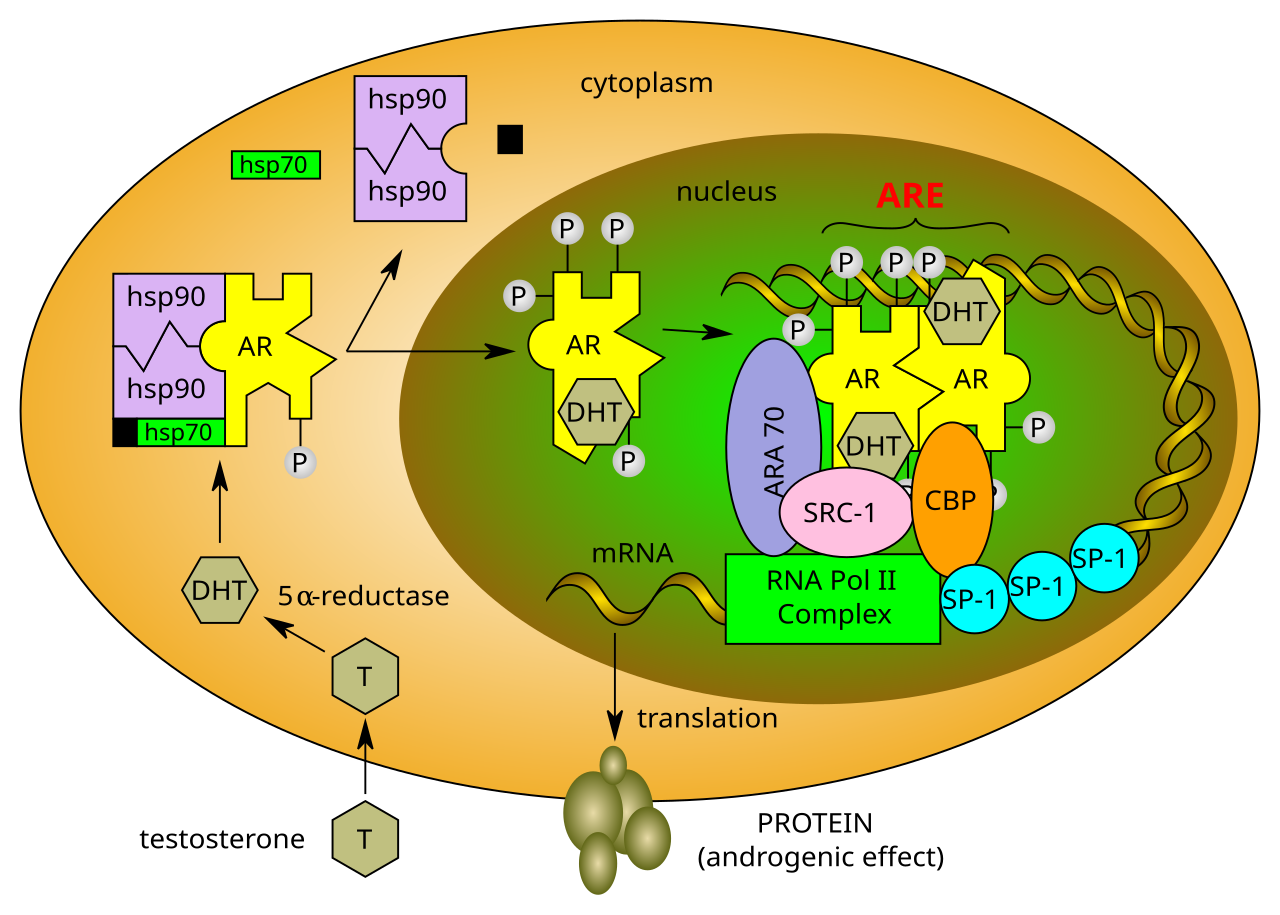
The trial design reflects that caution. Rather than editing cells in vivo, injecting CRISPR components directly into the scalp, the protocol uses an ex vivo approach. Follicle cells are extracted from a small scalp biopsy, edited outside the body to reduce androgen receptor expression, then reimplanted. This approach limits off-target editing risk to the extracted cells only, allows for quality control testing of the edited product before reimplantation, and sidesteps the complexities of in vivo delivery. The therapeutic target is exon 1 of the AR gene, which encodes the androgen receptor's N-terminal domain, the region most implicated in the receptor's transcriptional activity in follicle cells.
The 12-patient Phase 1 cohort completed 6-month follow-up data as of March 2026. The primary endpoint was safety, no serious adverse events related to the edited cells, no evidence of off-target genomic modifications at the 50 most computationally predicted off-target sites, and no immunological reactions to the reimplanted cells. All three safety endpoints were met. This doesn't mean the approach is proven safe in a broader sense, 12 patients at 6 months is a very small window, but it's a meaningful first step.
The unexpected finding: two of the twelve patients showed hair density improvements at treated sites that exceeded what the investigators expected from a Phase 1 safety study. The effect was modest, roughly 7 and 9 additional hairs per cm² respectively at the treated versus untreated zones, and the number is too small to draw conclusions. But the investigators had not anticipated seeing any efficacy signal in a safety-only design. It suggests the degree of androgen receptor knockdown achieved by the editing was sufficient to produce a biological effect.
The challenges ahead are substantial. Ex vivo editing is cumbersome and expensive, extracting cells, editing them, quality-testing the product, and reimplanting requires substantial infrastructure. For this to scale to a viable treatment, either the efficiency of the process must increase dramatically or in vivo delivery must become safe enough to use. CRISPR delivery via lipid nanoparticles to the scalp is being investigated in animal models, with the follicular infundibulum (the upper part of the follicle, reachable topically) as a potential portal. That research is years behind the ex vivo approach but theoretically more scalable.
If Phase 2 data, expected to be announced in 2027, shows efficacy with a maintained safety profile, CRISPR-based hair loss treatment will move from theoretical future technology to near-term clinical pipeline. The key question regulators will need to answer is whether permanent genomic modification is acceptable for an elective cosmetic condition. That's a philosophical question as much as a scientific one, and different regulatory agencies may answer it differently.
Discussion (2)
James_NW3
about 2 months ago
The ex vivo approach makes sense as a first step. You can't start with in vivo CRISPR for a cosmetic condition, regulators would never accept it. But the scalability problem is real.
AnonymousDad
about 2 months ago
The permanence is what makes this interesting. Every other treatment requires ongoing compliance. Edit the follicle once and you're done, in theory.
Join the discussion
Free account. Read, like, save, and comment on every article.