Telogen Effluvium After Bariatric Surgery: What 5-Year Data Reveals

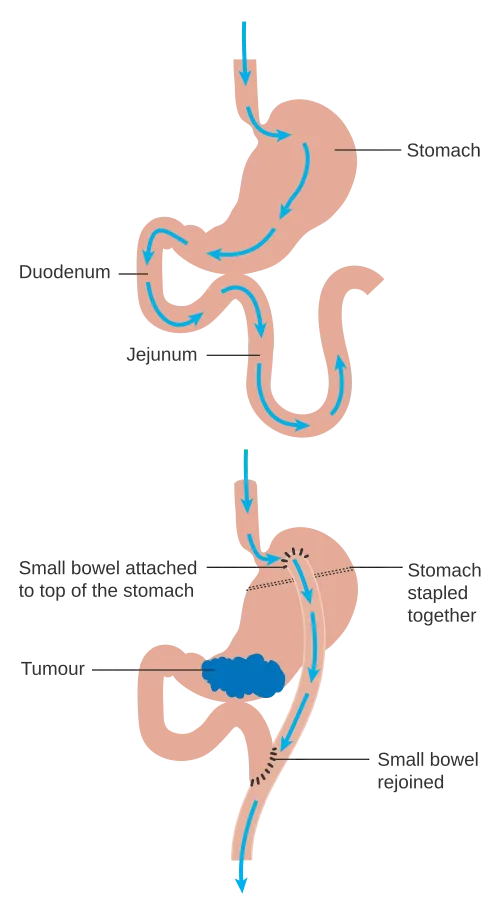
Bariatric surgery, gastric bypass, sleeve gastrectomy, or similar procedures, triggers telogen effluvium in approximately 50% of patients, typically appearing 3 to 6 months postoperatively. The driver is rapid weight loss combined with reduced micronutrient absorption from the altered gut anatomy. The pattern resembles standard telogen effluvium clinically but the recovery trajectory differs.
A 5-year follow-up cohort published in 2023 tracked 412 post-bariatric patients. Hair density at 5 years had returned to baseline in 71% of patients. The remaining 29% had persistent thinning, with strongest correlation to baseline vitamin D status, ferritin recovery, and protein intake during the rapid weight loss phase. Long-term zinc and selenium status also tracked with hair outcomes more than acute studies had suggested.
Practical implications: bariatric patients benefit from aggressive nutritional monitoring during the first 18 months postop. Adequate protein (1.5g/kg adjusted ideal body weight), iron and ferritin tracking every 3 months, vitamin D supplementation to 50+ ng/ml, and zinc levels checked annually. For patients with established post-bariatric hair loss, addressing identified deficiencies typically restores hair density within 9 to 12 months, though acceleration of any underlying pattern hair loss can persist.
References & Clinical Data
- Hair loss after bariatric surgery: 5-year prospective cohort , Ruiz-Tovar J, et al. (Obesity Surgery, 2023)
- Nutritional deficiencies after bariatric surgery: review , Stein J, et al. (Alimentary Pharmacology & Therapeutics, 2014)
- Hair loss management in post-bariatric patients , Sherman AR, Roizen N. (Surgery for Obesity and Related Diseases, 2019)