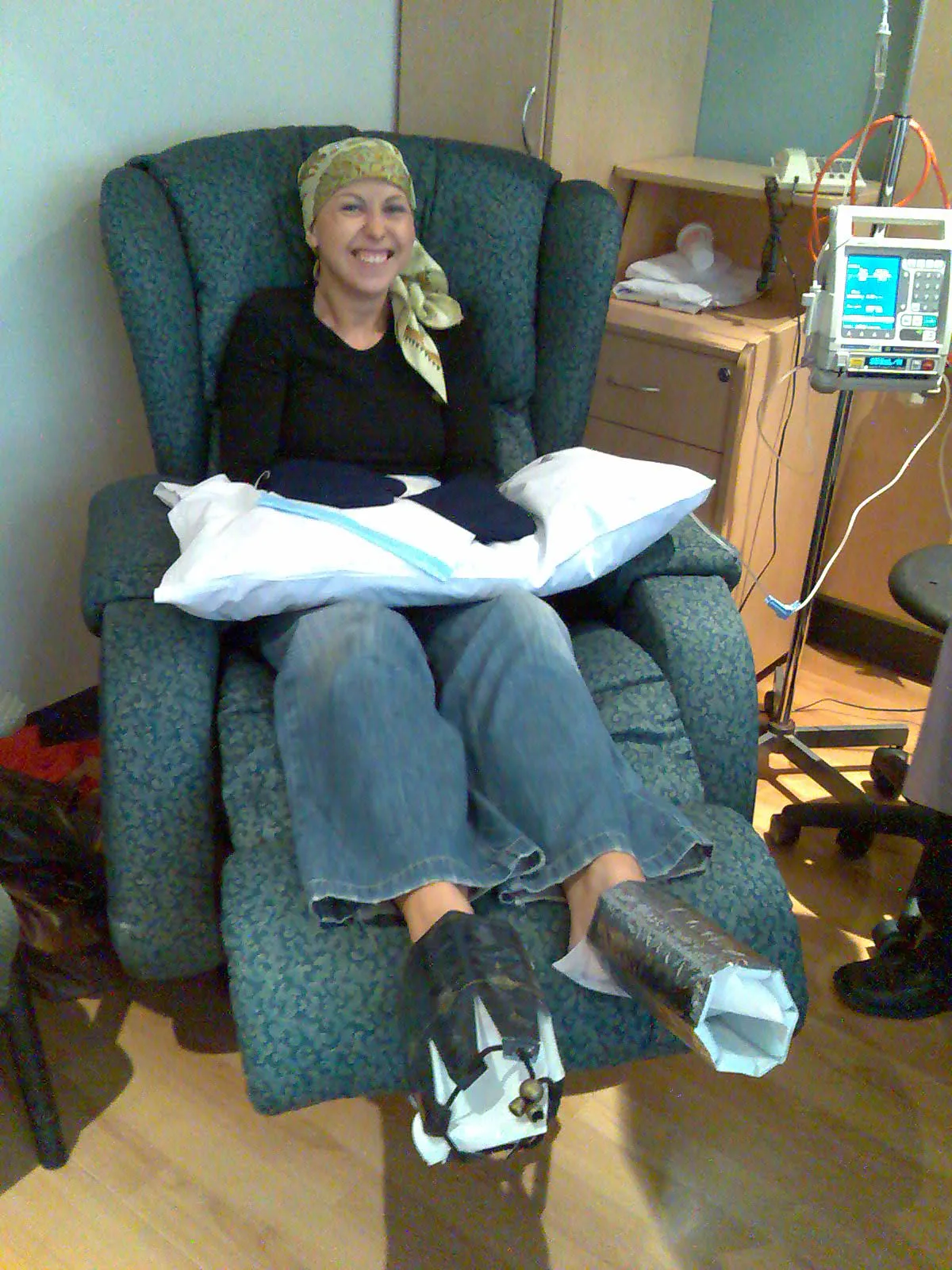
Anagen Effluvium: When Hair Loss Comes Mid-Cycle

Anagen effluvium describes hair loss occurring from follicles in their active growth (anagen) phase, in contrast to telogen effluvium where shedding occurs from follicles that have already entered resting phase. The mechanism is direct disruption of follicle cell division by external agents, most commonly chemotherapy drugs that target rapidly dividing cells. The clinical pattern is rapid, severe hair loss occurring 1 to 3 weeks after the inciting exposure.
Chemotherapy is the most common cause but not the only one. Severe protein-calorie malnutrition, heavy metal poisoning (thallium, mercury, arsenic), and certain medications (colchicine, some immunosuppressants) can produce anagen effluvium. The pattern is distinguished from telogen effluvium by timing (faster onset, days to weeks rather than 3+ months), severity (potentially complete loss rather than diffuse thinning), and hair shaft characteristics (broken or tapered shafts rather than club-shaped telogen roots).
Recovery typically follows resolution of the underlying cause, though chemotherapy-related anagen effluvium can produce permanent changes in hair texture and density in some patients. Scalp cooling during chemotherapy reduces incidence and severity for certain regimens (discussed in this site's separate article on the topic). Topical minoxidil is sometimes prescribed during recovery to potentially accelerate regrowth, with modest supporting evidence. Recovery to baseline density takes 6 to 12 months in most cases when the underlying cause is fully addressed.
References & Clinical Data
- Anagen effluvium: a clinical review , Kanwar AJ, Narang T. (Indian Journal of Dermatology, Venereology and Leprology, 2013)
- Chemotherapy-induced alopecia: pathophysiology and management , Trüeb RM. (Skin Therapy Letter, 2009)
- Permanent alopecia after chemotherapy: outcomes and prevention , Palamaras I, et al. (Journal of the American Academy of Dermatology, 2011)