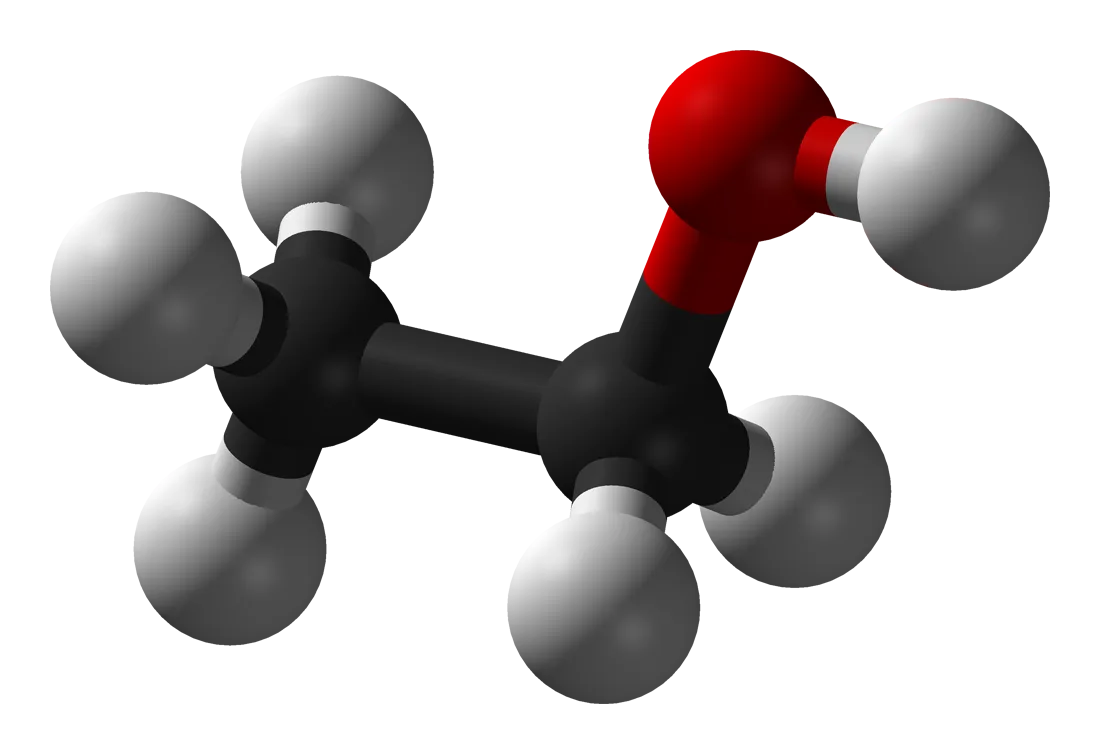
Alcohol and Hair Loss: A Modest Connection With Practical Implications

The connection between alcohol consumption and hair loss is real but often overstated in wellness content. The mechanisms by which heavy alcohol consumption affects hair status are several and overlapping: nutritional deficiencies (B vitamins, zinc, protein in heavy drinkers), liver dysfunction affecting hormone metabolism (alcohol-induced increases in oestrogen and decreases in testosterone affect hair complex ways), and inflammatory effects.
Epidemiological studies on alcohol and androgenetic alopecia specifically show small associations with heavy consumption (typically defined as 14+ drinks per week for men, 7+ for women), and minimal or no association with moderate consumption. The effects appear largely mediated by nutritional status rather than direct alcohol toxicity to hair follicles. Patients with severe alcohol use disorder often present with telogen effluvium that resolves with nutritional rehabilitation and reduced drinking.
Practical implications for hair loss patients: moderate alcohol consumption (within general health guidelines) doesn't appear to meaningfully affect hair loss progression. Heavy drinking has indirect but real negative effects through nutritional and hormonal pathways. For patients who do drink heavily and have hair loss, the recommendation to reduce consumption is part of overall health advice rather than a hair-specific intervention. Don't expect dramatic hair recovery from reducing alcohol intake unless you were drinking very heavily.
References & Clinical Data
- Alcohol consumption and androgenetic alopecia: cross-sectional analysis , Fortes C, et al. (Acta Dermato-Venereologica, 2018)
- Nutritional consequences of chronic alcohol use , Lieber CS. (Nutrition Reviews, 2003)
- Hormonal effects of alcohol: implications for hair biology , Emanuele MA, Emanuele N. (Alcohol Research & Health, 2001)