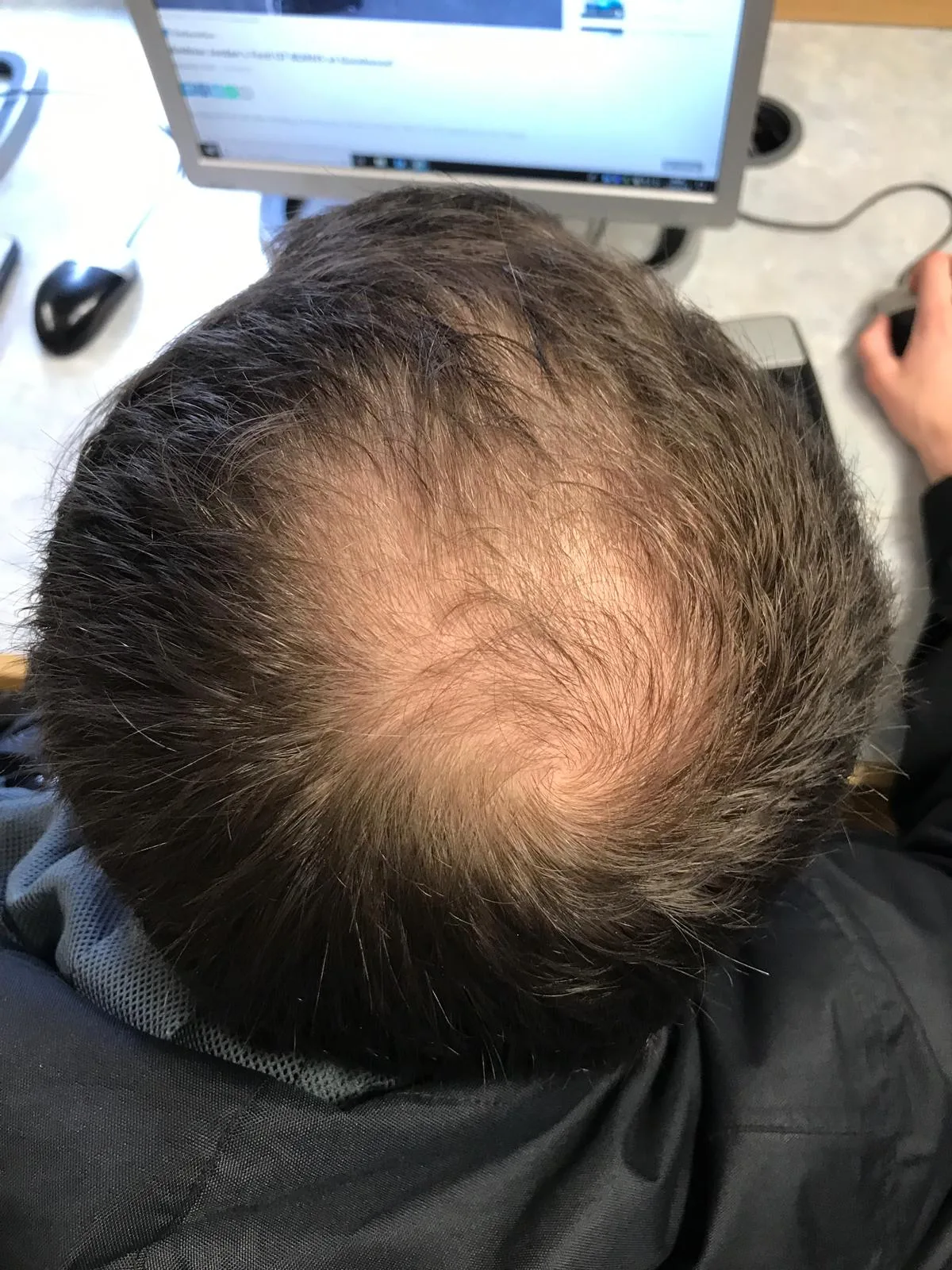
Hair Loss in Adolescents: When Pattern Hair Loss Starts Young

Most discussion of androgenetic alopecia focuses on adult-onset disease, but a meaningful subset of patients show signs of pattern hair loss in late adolescence, sometimes as early as age 15 to 16. Early-onset disease typically indicates strong genetic predisposition and often more aggressive progression. The decision about when and how to treat these young patients requires balancing efficacy benefits against duration-of-exposure considerations for long-term medication use.
Treatment options in adolescents follow the adult evidence base but with adjusted risk-benefit considerations. Topical minoxidil 5% is generally safe from age 16+ and is the typical first-line option. Finasteride 1mg is approved for adult males but is sometimes prescribed off-label in adolescents 16+ with established familial AGA progression, the long-term safety in patients who will potentially be on the drug for 50+ years is a meaningful consideration that should be discussed explicitly. Lower doses (0.25 to 0.5mg) are sometimes used in younger patients.
Practical guidance: adolescents presenting with early hair loss should have their hair loss confirmed as androgenetic (rather than telogen effluvium from other causes), should have basic workup including thyroid and iron status, and should make treatment decisions with full understanding that successful treatment commits them to long-term medication use. Parents are often involved in these decisions, particularly for finasteride, and the family history conversation should be specific. For Norwood 1 to 2 adolescents, monitoring and lifestyle factors may be sufficient initially with medical treatment reserved for established progression.
References & Clinical Data
- Pediatric and adolescent androgenetic alopecia: clinical features , Gonzalez ME, Cantatore-Francis J. (Pediatric Dermatology, 2010)
- Finasteride in adolescents with androgenetic alopecia , Sanke S, et al. (International Journal of Trichology, 2016)
- Long-term safety considerations: finasteride initiated in young adulthood , Mella JM, et al. (JAMA Dermatology, 2010)