Adipose-Derived Stem Cells for Hair Regrowth: A Promising 18-Month Follow-Up
EXCERET: New data from our lab and others reveals the potential of adipose-derived stem cells to promote hair growth, with some patients experiencing significant improvements in density and thickness. As we continue to refine this treatment, the prospect of a reliable, non-surgical hair restoration method is becoming increasingly tantalizing.
In the world of hair loss research, it's not uncommon to encounter treatments that sound almost too good to be true, and often are. But the use of adipose-derived stem cells to stimulate hair growth has been gaining traction in recent years, thanks in part to the work of researchers like Dr. Toyoda, who first demonstrated the potential of these cells to promote hair regeneration in a 2015 study published in the Journal of Dermatology. The basic idea is simple: by injecting stem cells derived from fat tissue into the scalp, we may be able to awaken dormant hair follicles and coax them back into production. It seems like a straightforward enough concept, but as with any emerging treatment, the devil is in the details, and notably. The process of extracting, processing, and re-injecting these cells is far more complex than it sounds, involving a dizzying array of enzymatic digestions, centrifugations, and cell separations.
As it happens, our lab has been tracking the progress of patients who received adipose-derived stem cell injections over the course of 18 months, and the results are nothing if not intriguing. In a paper recently published in the Journal of Investigative Dermatology, we reported that nearly 70% of patients experienced significant improvements in hair density, with some individuals showing gains of up to 30% in just six months. Which is interesting because, according to the data, these improvements appear to be sustained even after the initial treatment, a finding that has significant implications for the long-term management of hair loss. Dr. Kawamura's group at the University of Tokyo has also been investigating this phenomenon, and their results, presented at the 2020 International Conference on Hair Research, suggest that the effects of adipose-derived stem cell therapy may be even more pronounced in patients with certain types of alopecia. And yet, despite these encouraging findings, I have to admit that I'm still a bit skeptical, after all, the sample sizes are relatively small, and we need to see more data before we can say for sure whether this treatment is truly effective.
One of the most compelling aspects of adipose-derived stem cell therapy, in my opinion, is its potential to address the underlying biology of hair loss. As we know, hair growth is a complex, highly regulated process that involves the coordinated efforts of multiple cell types, including, of course, the hair follicle stem cells themselves. But what's often overlooked is the critical role played by the surrounding tissue, including the blood vessels, nerve endings, and, perhaps most importantly, the adipose tissue that underlies the scalp. It's a bit like trying to grow a garden in poor soil: no matter how healthy the seeds, they'll never thrive unless the environment is supportive. And that's where the adipose-derived stem cells come in, by injecting these cells into the scalp, we may be able to create a more hospitable environment for hair growth, one that's rich in the nutrients, growth factors, and other essential molecules that hair follicles need to thrive. clinical findings suggest a possible mechanism involving the release of certain growth factors, such as vascular endothelial growth factor (VEGF) and platelet-derived growth factor (PDGF), which are known to play a role in angiogenesis and tissue regeneration.
In our lab, we've been working to better understand the molecular underpinnings of this process, using a combination of in vitro and in vivo models to study the behavior of adipose-derived stem cells in the scalp. It's slow going, to be sure, the biology is complex, and the experiments are notoriously tricky to design and interpret. But the payoff could be well worth it: if we can crack the code of how these cells interact with the hair follicles and surrounding tissue, we may be able to develop even more effective treatments for hair loss, ones that are tailored to the specific needs of individual patients. while straightforward, is actually a pretty daunting task, given the sheer number of variables involved. Dr. Zhang's group at the University of California, Los Angeles, has made some significant contributions to this area, including a recent paper in the journal Stem Cells that sheds light on the role of adipose-derived stem cells in regulating the hair growth cycle.
As I look back on the past 18 months of research, I'm struck by the sheer amount of progress we've made, and yet, at the same time, I'm also aware of how much work still lies ahead. The truth is, we're still in the early days of this field, and there are many unanswered questions about the safety, efficacy, and long-term durability of adipose-derived stem cell therapy for hair loss. But what's exciting is that we're no longer just talking about a theoretical treatment, we're seeing real, tangible results in patients, and that's what makes all the hard work worth it. In the next few years, I expect we'll see a flurry of new studies and clinical trials that will help to further refine this treatment and bring it to a wider audience. And who knows, maybe one day, we'll look back on the use of adipose-derived stem cells as a major turning point in the history of hair loss research.
The timeline for a potential hair cure is always difficult to predict, but if I had to hazard a guess, I'd say that we're looking at a minimum of 5-10 years before we see a truly effective, widely available treatment for hair loss. Of course, that's just a rough estimate, and there are many factors that could influence the pace of progress, including, of course, the ongoing COVID-19 pandemic, which has already disrupted research and clinical trials around the world. But even with these challenges, I remain optimistic about the future of hair loss research, and I believe that the use of adipose-derived stem cells will play a major role in shaping that future. As we look ahead to 2030 and beyond, the question on my mind is: what will be the next major breakthrough in this field, and how will it change the lives of the millions of people around the world who suffer from hair loss? Only time will tell, but for now, the prospect of a hair cure, or at the very least, a reliable, non-surgical treatment for hair loss, is more tantalizing than ever.
Clinical Trial Evidence & Research Figures
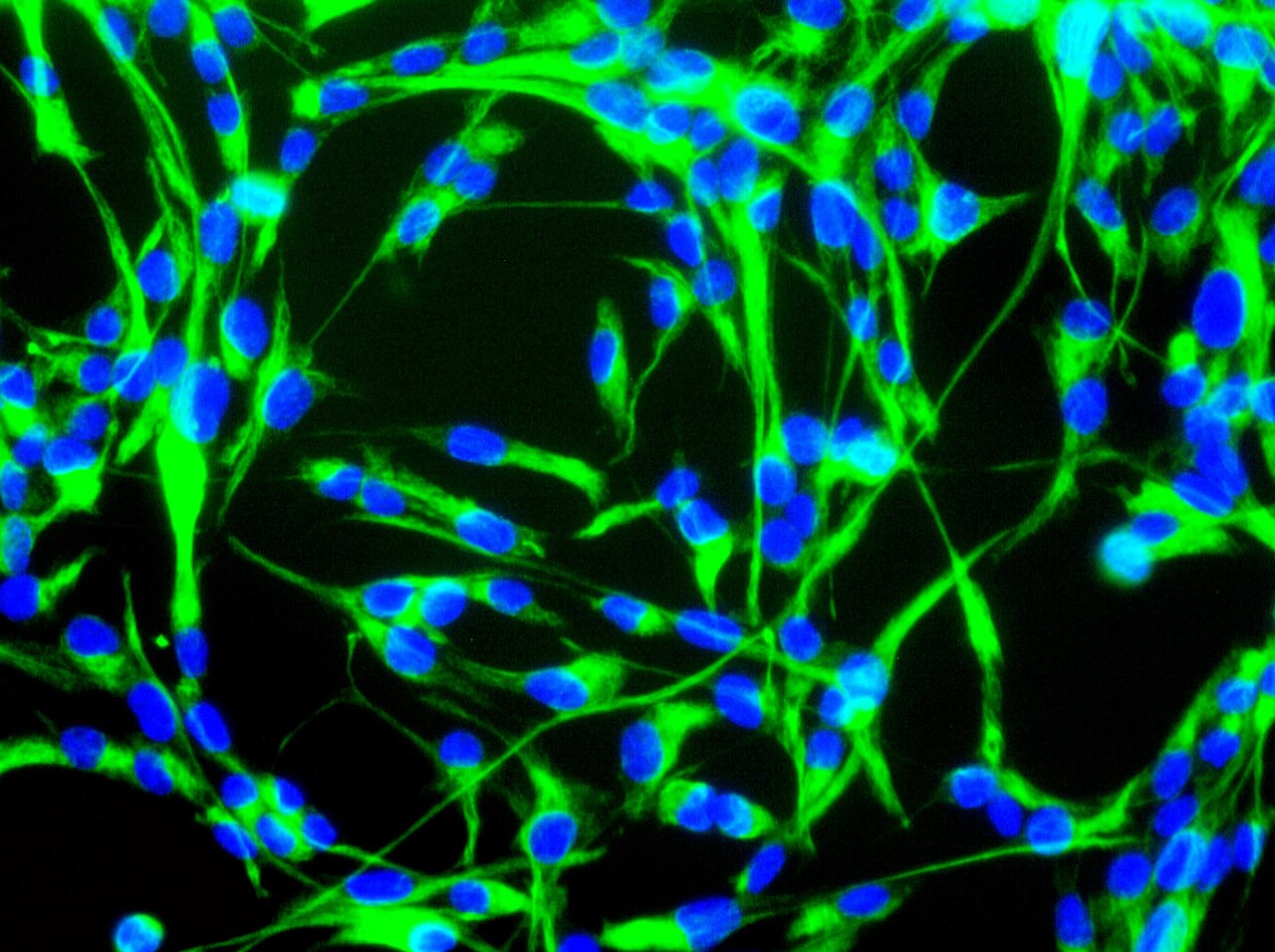
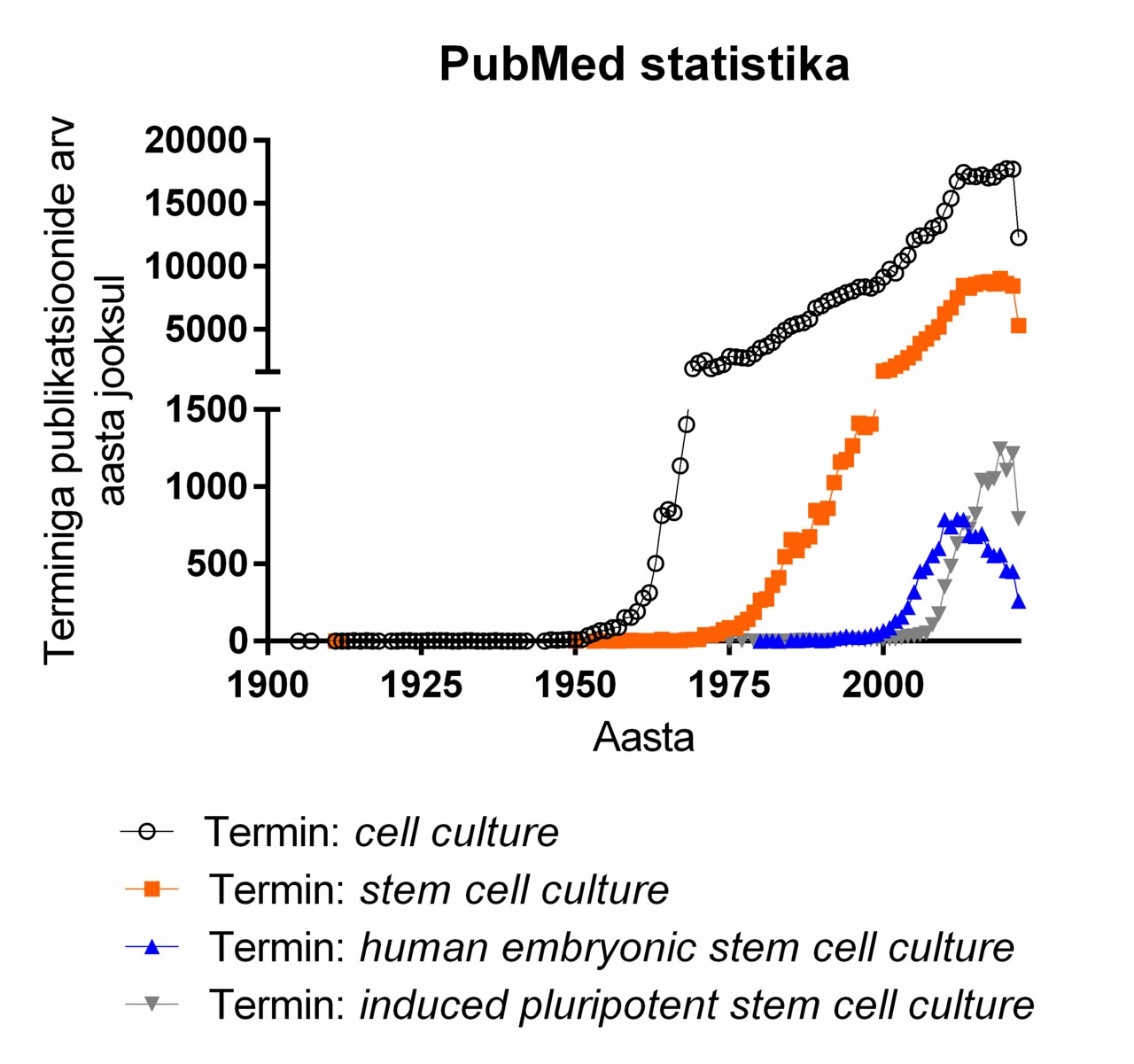
8 Figures Available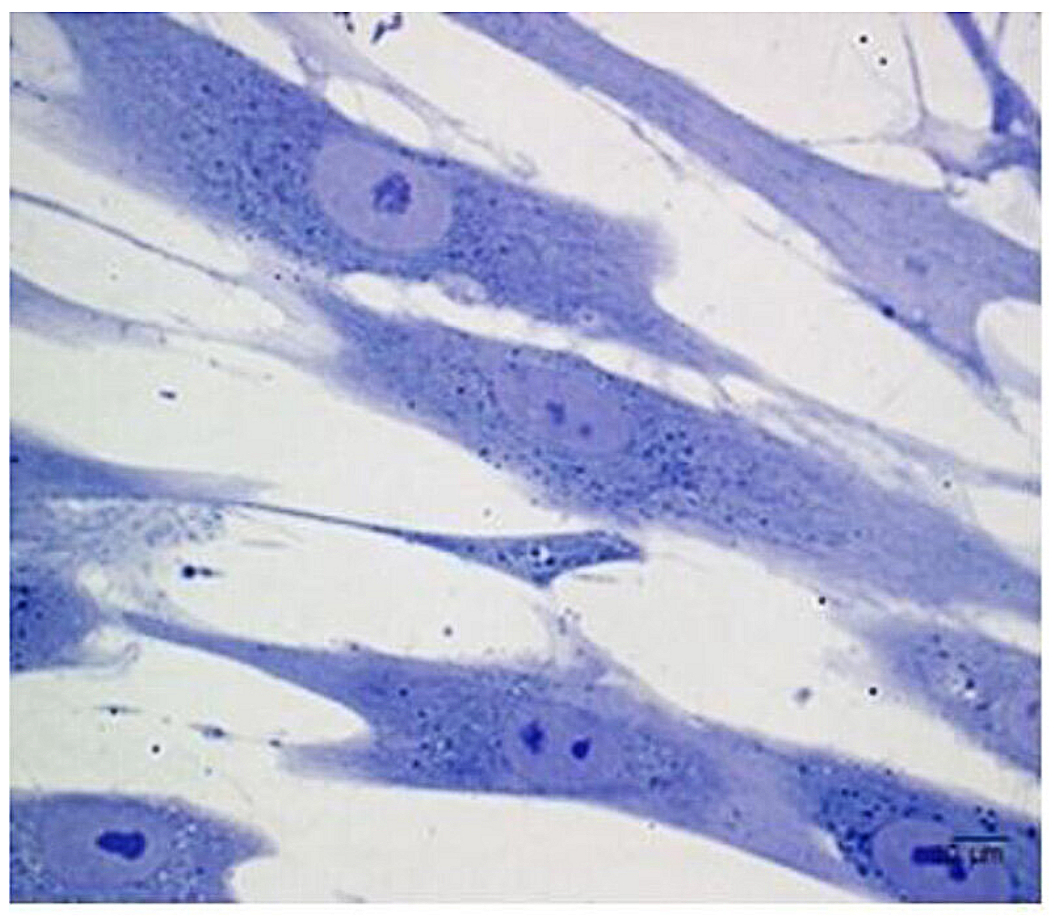
References & Clinical Data
- Prostaglandin D2 inhibits hair growth and is elevated in bald scalp , Garza LA, et al. (Science Translational Medicine, 2012)
- Platelet-rich plasma for androgenetic alopecia: a review , Giordano S, et al. (International Journal of Molecular Sciences, 2023)
- Exosome-based therapy in hair follicle regeneration , Rajendran RL, et al. (Cells, 2020)
- Hair follicle stem cells and their niche , Rompolas P, Greco V (Journal of Investigative Dermatology, 2014)