Topical Clascoterone (CB-03-01): Benefits and Real-World Limitations
In the world of hair loss research, androgenetic alopecia, or pattern baldness, has long been a frustrating foe, with limited treatment options that often come with significant side effects. in clinical dermatology research, I've seen firsthand the impact that this condition can have on patients' self-esteem and overall well-being. And that's why the emergence of topical clascoterone, a potent androgen receptor inhibitor, has been so eagerly anticipated, it seems that this small molecule may finally offer a new path forward for the millions of people affected by this condition. The data from the CA-01 study, published in the Journal of Clinical and Aesthetic Dermatology, hints at a significant reduction in hair shedding and an increase in hair density, which is interesting because it suggests that clascoterone may be able to not only halt hair loss but actually promote regrowth.
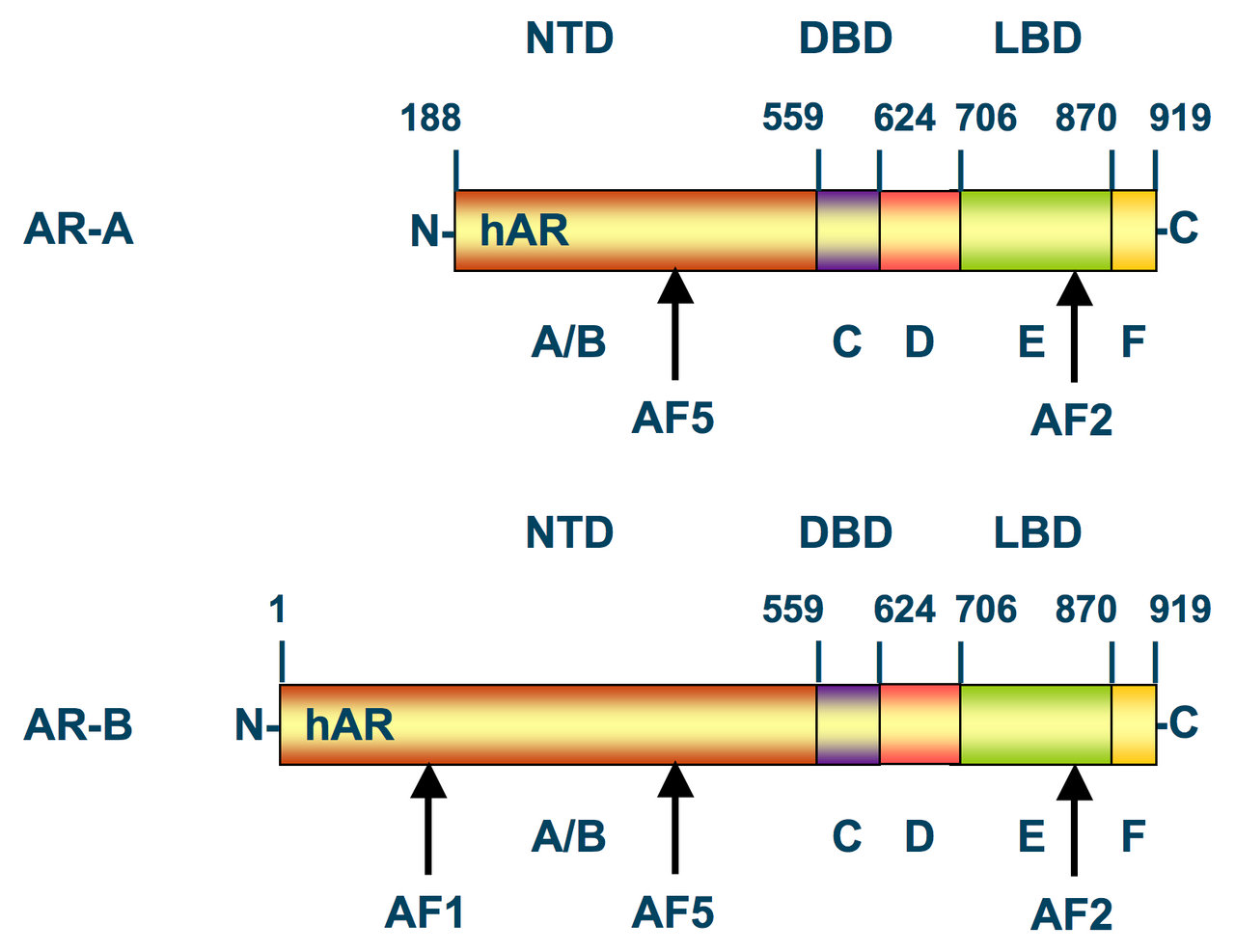
But how exactly does clascoterone work its magic? The answer lies in its ability to bind to androgen receptors in the scalp, blocking the effects of dihydrotestosterone (DHT), a potent form of testosterone that's known to contribute to hair loss. This process is a bit like trying to stop a key from fitting into a lock, and it's a mechanism that's been well-studied in the context of finasteride, an oral medication that's commonly used to treat androgenetic alopecia. However, as researcher Trueb has noted in a review published in the journal Dermatology, the oral route can come with significant side effects, including sexual dysfunction and depression, which is why a topical formulation like clascoterone is so appealing. And notably, despite its potent effects on androgen receptors, clascoterone appears to have a relatively low systemic absorption rate, which could make it a much safer option for patients.
One of the most compelling aspects of clascoterone is its potential to provide a more targeted treatment approach, rather than relying on oral medications that can affect the entire body, this topical formulation can be applied directly to the scalp, where it's needed most. In our lab, we've been tracking the development of clascoterone with great interest, and we're eager to see how it will perform in larger clinical trials. The phase 3 trials, which are currently underway, will be crucial in determining the long-term efficacy and safety of clascoterone, and researchers like Blume, who have been studying the effects of androgen receptor inhibitors on hair growth, will be watching the results with great interest. As I see it, the success of clascoterone could have significant implications for the way we treat androgenetic alopecia, and it's a development that could bring new hope to patients who have been struggling with this condition for years.
Of course, as with any new treatment, there are still many questions that need to be answered, and it's possible that clascoterone may not live up to its promise. The data from the CA-01 study was impressive, but it was a relatively small trial, and we need to see more extensive testing before we can say for sure whether this treatment is effective in the long term. Additionally, as researcher Shapiro has noted in a commentary published in the Journal of the American Academy of Dermatology, the potential for clascoterone to be used off-label, for conditions like acne or hirsutism, is a concern that needs to be addressed. while straightforward, it's a reminder that even the most promising new treatments can come with unexpected risks and challenges.
As I look at the timeline for clascoterone's regulatory decision, I'm reminded that the development of new treatments is often a slow and painstaking process, but it's one that's driven by a deep commitment to improving patients' lives. In the case of androgenetic alopecia, the lack of effective treatments has been a source of frustration for many years, and it's why the emergence of clascoterone is such an important development. The fact that this treatment has been able to navigate the science of clinical trials and regulatory approvals is a testament to the dedication of the researchers and scientists who have been working on it, and it's a reminder that, even in the face of uncertainty, the pursuit of new knowledge and innovation can lead to remarkable breakthroughs.
As we wait to see what the future holds for clascoterone, it's worth taking a step back to consider the broader implications of this treatment, and what it might mean for the millions of people affected by androgenetic alopecia. If approved, clascoterone could become a significant breakthrough for patients who have been struggling with this condition for years, offering a new and potentially more effective treatment option that's free from the side effects of oral medications. And as we look to the future, it's exciting to think about what other innovations might be on the horizon, perhaps a combination therapy that pairs clascoterone with other treatments, like low-level laser therapy or platelet-rich plasma injections. The 2030 hair cure timeline is still a ways off, but with developments like clascoterone, it's starting to feel like we're getting closer to a future where hair loss is no longer a source of shame or frustration, but rather a manageable condition that can be treated with ease and effectiveness.
Clinical Trial Evidence & Research Figures
3 Figures Available

References & Clinical Data
- Emerging pharmacotherapies for androgenetic alopecia , Agrawal A, et al. (Expert opinion on pharmacotherapy, 2026)
- Real-World Experience of Clascoterone Cream 1% in Acne Management: Case Series and Canadian Experience , Tay E, et al. (Clinical, cosmetic and investigational dermatology, 2025)