The Genetic Edge: Dutasteride vs Finasteride for Pattern Hair Loss
Higher systemic DHT suppression than finasteride; monitor for hormonal adverse events.
Clinically superior to finasteride in scalp hair count, particularly when finasteride has plateaued. Requires physician prescription and baseline monitoring.
Androgenetic alopecia is primarily driven by follicular sensitivity to dihydrotestosterone (DHT), synthesized locally from circulating testosterone via the 5 alpha reductase enzyme family. While finasteride has served as the frontline clinical standard for decades, head to head clinical trials and molecular profiling demonstrate that dutasteride delivers measurably superior hair counts, shaft caliber improvements, and photographic density.
Dual Isozyme Inhibition vs Selective Blockade
The fundamental biochemical divergence lies in enzyme specificity. Finasteride selectively inhibits the Type 2 isozyme of 5 alpha reductase, which is concentrated within the follicular dermal papilla and inner root sheath. However, it exhibits minimal affinity for Type 1 5 alpha reductase, which predominates in the sebaceous glands, epidermal keratinocytes, and outer root sheath.
Dutasteride functions as a comprehensive dual inhibitor, binding both Type 1 and Type 2 isozymes with high potency. In clinical pharmacodynamic studies, dutasteride achieves greater than 98 percent suppression of serum DHT and reduces scalp DHT concentrations by over 79 percent (compared to approximately 70 percent serum and 51 percent scalp DHT suppression achieved with 1 mg finasteride). By shutting down both pathways, dutasteride eliminates the residual DHT pool produced in sebaceous glands that continues to bathe the upper follicle.
Follicular Transcriptomics: Restoring Paracrine Signaling
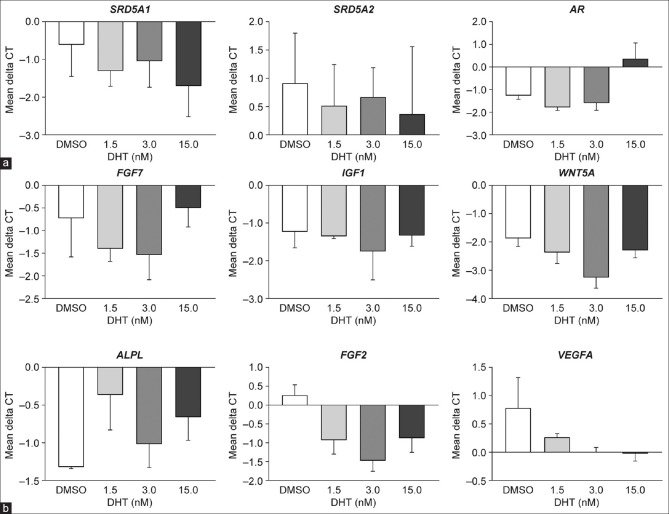
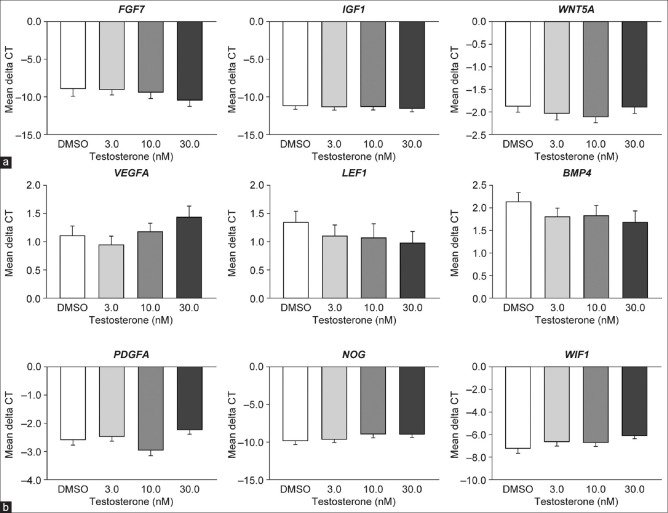
Beyond simple androgen suppression, recent gene expression assays in human isolated hair follicles elucidate why dutasteride produces superior regrowth. Under testosterone challenge, follicular dermal papilla cells downregulate key anagen sustaining growth factors, including Fibroblast Growth Factor 7 (FGF7), Insulin like Growth Factor 1 (IGF1), and WNT5a, while upregulating inhibitory signals like BMP4 and DKK1.
Molecular transcriptomic analysis demonstrates that dutasteride completely reverses this suppressive cascade, restoring FGF7 and IGF1 mRNA expression to baseline levels and sustaining active canonical Wnt beta catenin signaling. This transcriptomic rescue reactivates dormant miniaturized follicles, prolongs the anagen growth cycle, and enlarges follicle diameter.
Clinical Trial Evidence and Regrowth Data
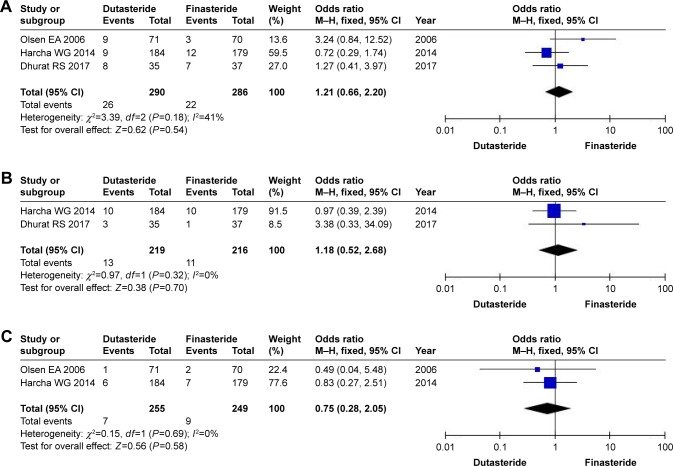
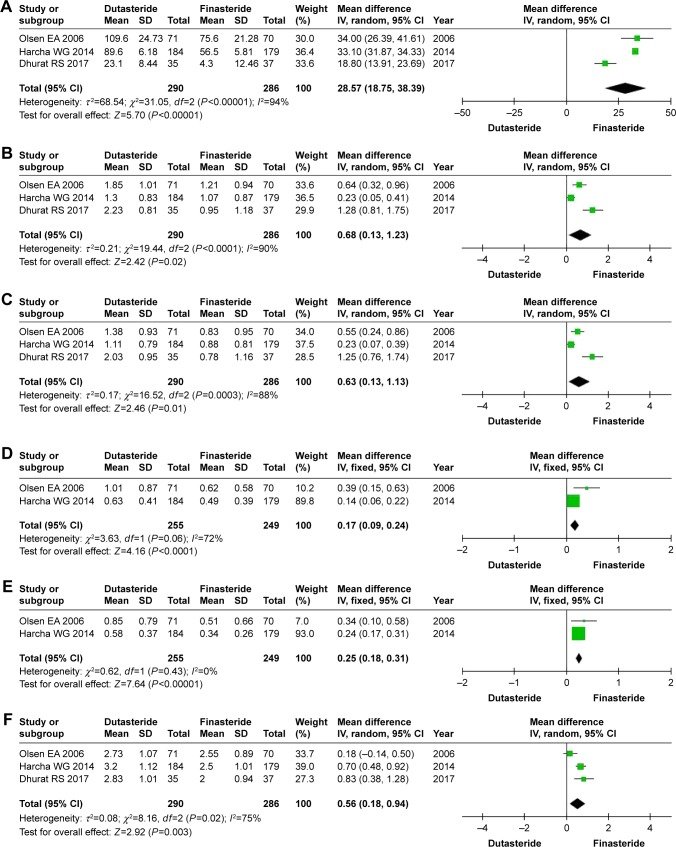
Meta analyses of randomized double blind clinical trials involving thousands of men confirm the clinical significance of these genetic findings:
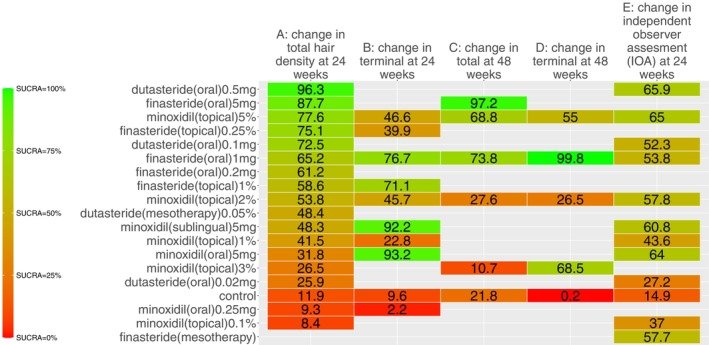
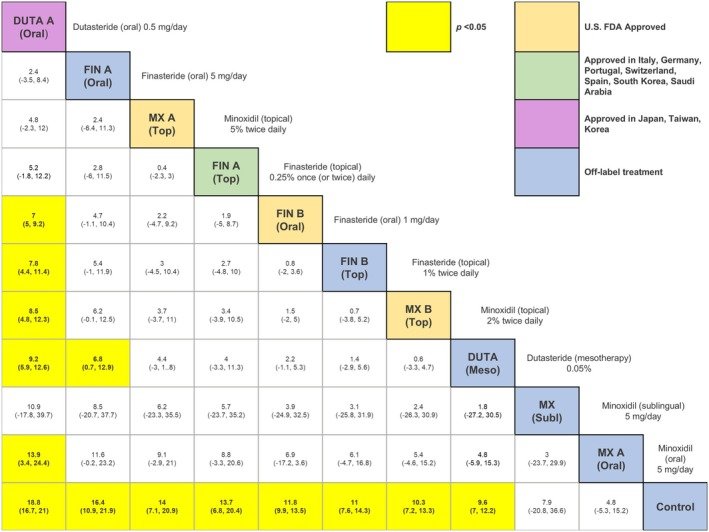
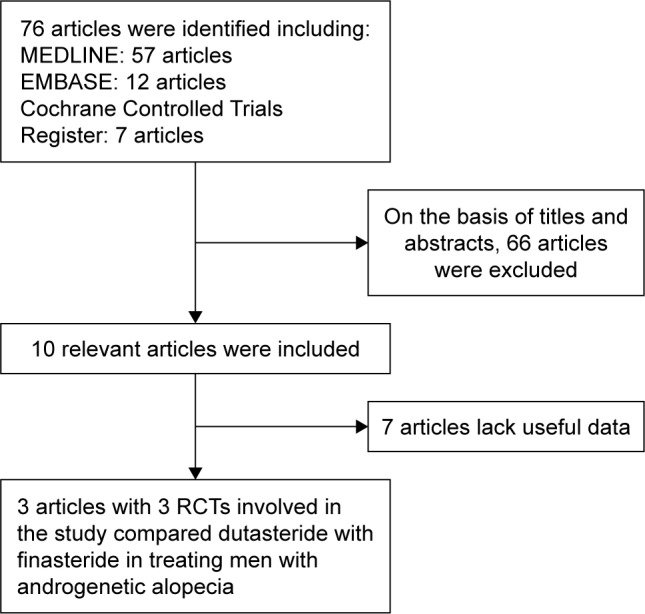
First, in randomized controlled trials such as the landmark studies by Olsen et al and Zhou et al, dutasteride 0.5 mg daily generated a significantly higher increase in total hair count in a 2.54 cm target vertex area at 24 weeks compared to finasteride 1 mg daily.
Second, dutasteride produced a substantially greater increase in cumulative hair diameter and terminal hair density, creating visibly denser scalp coverage.
Third, independent panel dermatologists scored vertex and frontal scalp regrowth significantly higher in dutasteride cohorts across 12 week, 24 week, and 48 week evaluations.
Pharmacokinetics and Half Life Considerations
Dutasteride possesses an exceptionally long terminal half life of approximately 4 to 5 weeks at steady state, compared to 6 to 8 hours for finasteride. This prolonged pharmacokinetic profile provides consistent, unfluctuating tissue saturation. Even with occasional missed doses, tissue concentrations remain within the therapeutic window, preventing transient DHT surges that can disrupt the hair cycle.
Safety and Tolerability Profile
Meta analyses evaluating adverse events across multi center trials show that while dutasteride carries a slightly higher initial incidence of mild sexual side effects (such as altered libido or erectile dysfunction) during the first 3 to 6 months, overall discontinuation rates due to adverse events do not differ significantly between dutasteride and finasteride cohorts over extended treatment periods.
For individuals experiencing persistent thinning or non response on finasteride, switching to dutasteride represents an evidence based clinical upgrade supported by both molecular genetics and robust trial data.