CB-03-01 (Clascoterone): What Real-World Results Show for Hair Loss
Standard safety profile; consult a board-certified dermatologist.
Evidence-based therapy under active evaluation; review with your physician before altering your routine.
For men and women dealing with androgenetic alopecia, oral finasteride and dutasteride have long served as the standard medical defense. Yet both treatments share a common limitation. They work by systemically suppressing the enzyme 5-alpha reductase, reducing dihydrotestosterone throughout the entire body. For patients concerned about systemic hormonal suppression, sexual side effects, or fertility implications, topical androgen receptor antagonists represent a distinct biological approach.
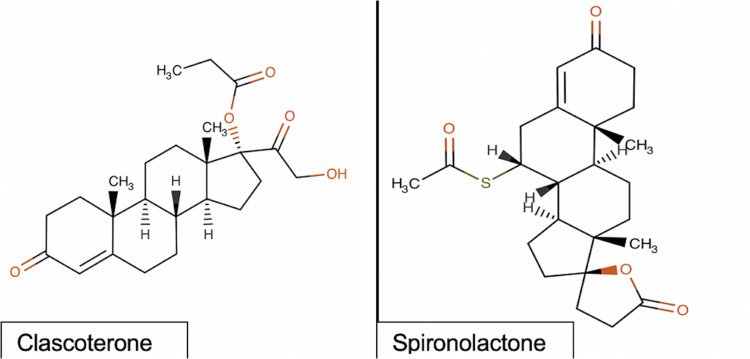
Among these emerging compounds, clascoterone, previously designated in development trials as CB-03-01, has drawn substantial attention from dermatologists. Unlike 5-alpha reductase inhibitors that inhibit hormone conversion, CB-03-01 functions as a competitive antagonist directly at the androgen receptor. It sits on the receptor in hair follicle dermal papilla cells, physically preventing dihydrotestosterone and testosterone from binding.
The Pharmacokinetic Mechanism: Why Local Action Matters
The primary challenge with any topical hormone therapy is preventing systemic leakage. If an antiandrogen enters the bloodstream in meaningful concentrations, it risks inducing the same systemic endocrine side effects as oral antiandrogens. CB-03-01 solves this pharmacokinetic obstacle through rapid cutaneous hydrolysis.
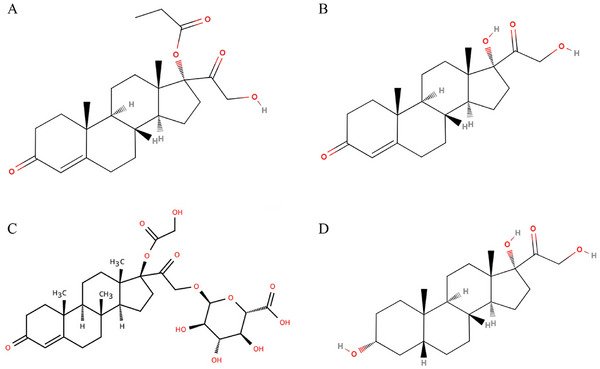
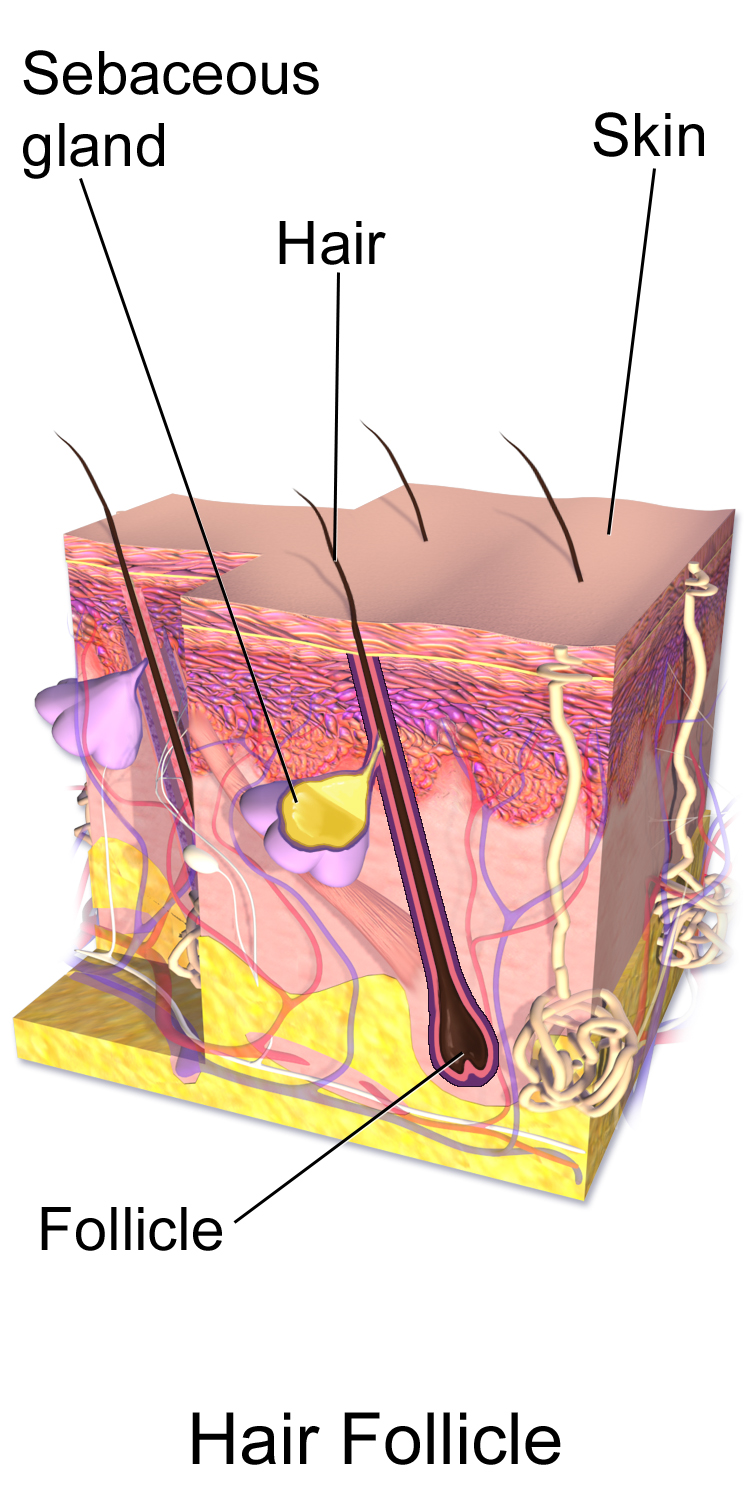
Once applied to the scalp, clascoterone penetrates the lipid barrier of the stratum corneum and concentrates within the pilosebaceous unit. Here, it binds androgen receptors with high affinity. However, as any trace quantity of the drug migrates past the dermis into the capillary bed, tissue and serum esterases quickly metabolize it into cortexolone. Cortexolone is an inactive parent steroid compound with negligible binding affinity and no systemic endocrine activity.
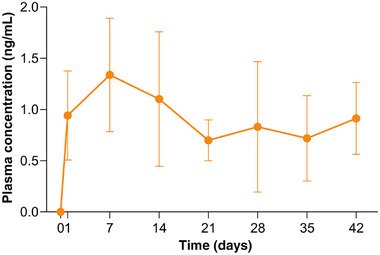
Pharmacokinetic profiling in Phase 1 and Phase 2 trials confirms that systemic plasma concentrations remain negligible, consistently measuring in low single-digit nanograms per milliliter. This rapid metabolic inactivation explains why clinical trials have shown zero systemic antiandrogenic adverse events, such as gynecomastia, libido reduction, or erectile dysfunction, above rates seen with placebo vehicle.
Clinical Trial Evidence: Target Area Hair Count and Density
The definitive human clinical trial for CB-03-01 in androgenetic alopecia was a randomized, double-blind, vehicle-controlled Phase 2 trial led by Cosmo Pharmaceuticals and Cassiopea. The multi-center trial enrolled over 400 male subjects between the ages of 18 and 55 with mild to moderate pattern hair loss.
Investigators evaluated multiple dosage strengths, testing 2.5%, 5%, and 7.5% solution applied either once daily or twice daily over a twelve-month duration. The primary endpoint measured Target Area Hair Count, tracking non-vellus terminal hairs within a calibrated scalp region.
The results established a clear dose-response relationship:
1. The highest dose cohort, receiving the 7.5% solution applied twice daily, produced a statistically significant increase in Target Area Hair Count of approximately +14.3 terminal hairs per square centimeter at month twelve. 2. The once-daily 7.5% formulation also achieved significant improvement, maintaining an increase of roughly +11 hairs per square centimeter over baseline. 3. Lower concentrations showed modest preservation of baseline density but failed to match the robust regrowth achieved by the 7.5% twice-daily protocol. 4. Independent photographic assessment demonstrated visible density enhancement in over 60% of patients in the top-tier cohort, matching or slightly exceeding outcomes typically recorded with 5% topical minoxidil monotherapy.
Real-World Considerations and Practical Application
While the clinical data confirms that clascoterone works as an effective local antiandrogen, real-world execution requires clear expectations.
First, dosage frequency is non-negotiable. Because of the rapid enzymatic breakdown that makes the molecule so safe systemically, the drug does not accumulate a prolonged half-life in scalp tissue. The clinical trial data demonstrated that twice-daily application was required to achieve peak hair count gains. Skipping applications allows follicle androgen receptors to rebound and bind circulating dihydrotestosterone.
Second, topical vehicle formulation is critical. Penetrating the follicular infundibulum requires a solution optimized for scalp delivery rather than the 1% cream formulation currently marketed for acne vulgaris under the brand name Winlevi. Applying acne cream to a hairy scalp creates cosmetic residue and reduces follicle penetration. Patients utilizing clascoterone for androgenetic alopecia require the dedicated liquid solution designed for scalp application.
Third, CB-03-01 functions synergistically with growth stimulants. Because clascoterone addresses the hormonal receptor axis while compounds like topical minoxidil or microneedling stimulate microvascular circulation and cellular proliferation, combination regimens present an effective multi-pathway strategy for patients who choose to avoid oral 5-alpha reductase inhibitors.